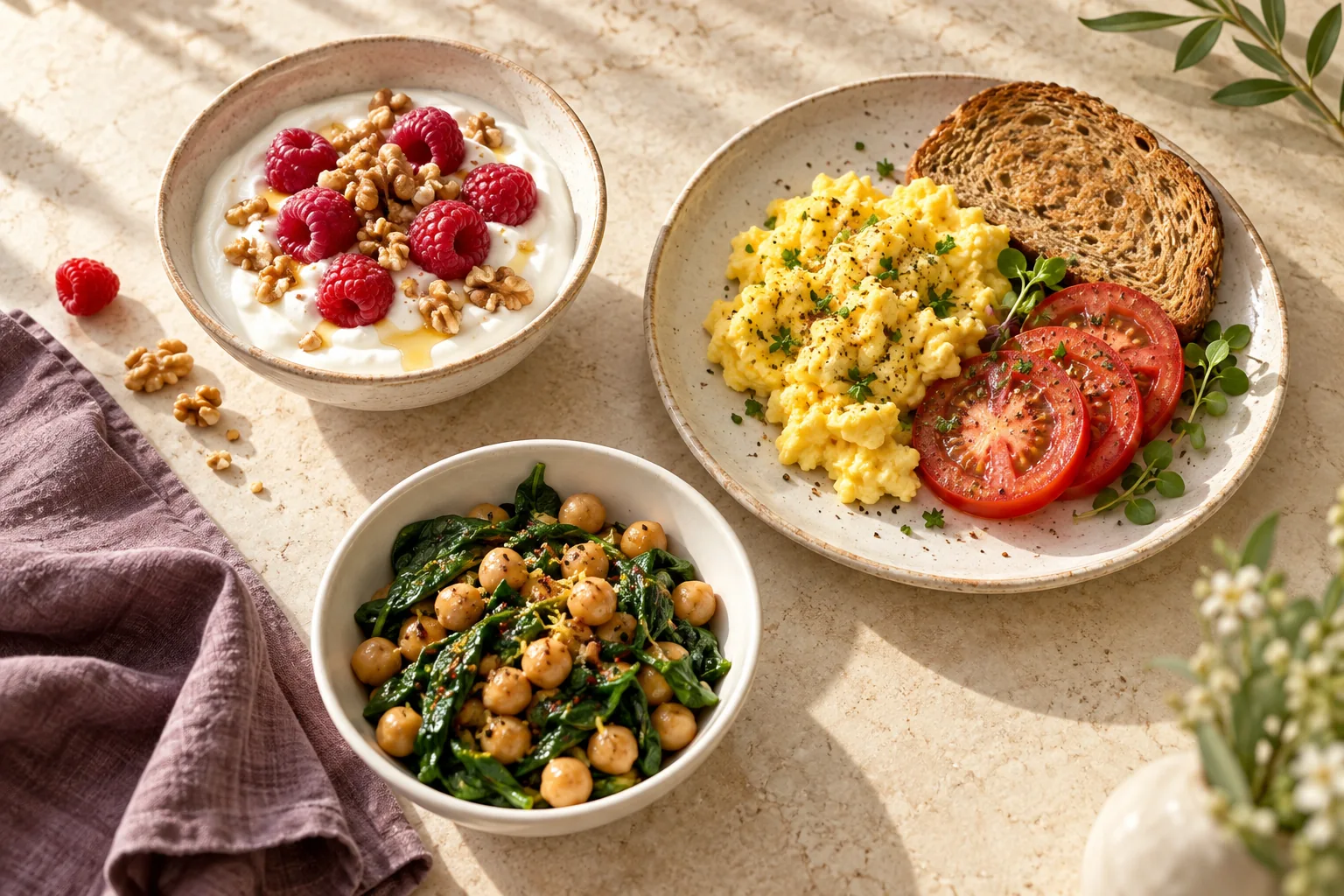
A better breakfast, beautifully simple.
Three satisfying breakfast ideas built around everyday protein foods, colorful produce, and practical preparation.
Read the story ↗A practical way to compare meals and protein supplements without turning every meal into a calculation.
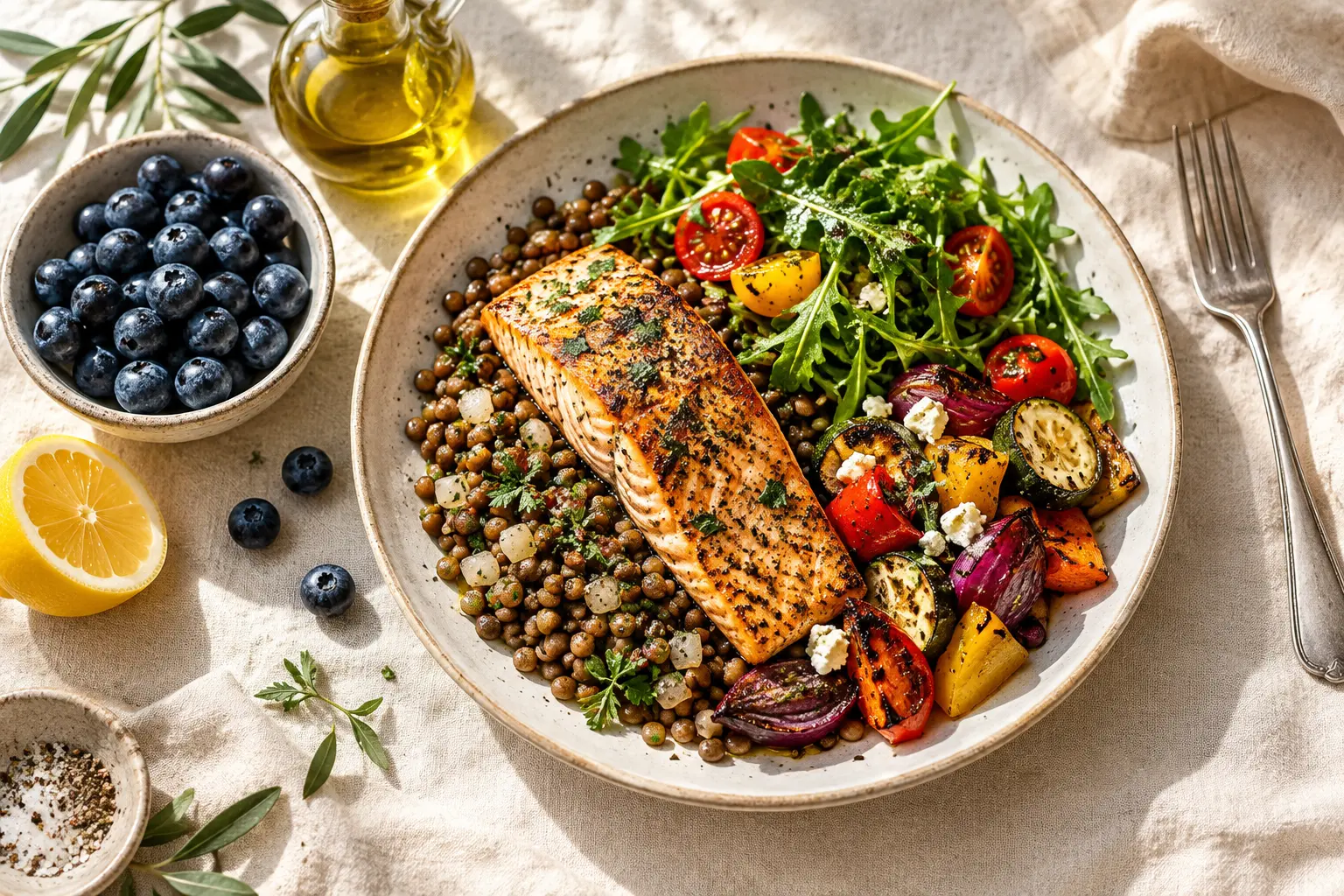
Look for a protein-containing food you enjoy at meals: eggs, yogurt, fish, poultry, tofu, beans or lentils. Pair it with foods that bring variety, such as vegetables, fruit and whole grains. A powder is a convenience option when ordinary food does not fit your schedule or needs.
For example, compare yogurt with fruit, a tofu scramble, and a smoothie containing a labeled protein powder. Consider taste, allergies, preparation time and what keeps the meal satisfying. These are meal ideas, not prescribed portions.
Compare cost per serving and protein per serving, rather than container size. Check the actual serving size, added ingredients, allergens and sweeteners. Someone avoiding dairy will make a different choice from someone who tolerates whey. A longer ingredient list does not demonstrate a better result.
If a product claims independent certification, look up the exact product in the relevant directory. A certification can address quality or banned-substance testing; it does not guarantee muscle gain.
Protein requirements depend on factors including activity, age and health. A registered dietitian can help set an appropriate target, especially if you have kidney disease, a restricted diet or concerns about inadequate intake. Avoid borrowing a high-protein target from someone whose circumstances differ from yours.
Choose one meal that is often rushed. Prepare two options you enjoy, record what was convenient and compare the real cost. Keep the option that works in your life. You do not need to buy a supplement to complete this experiment.
Make a repeatable meal first. Buy a powder only when it solves a real need.
This is general education, not a diagnosis or a personal treatment plan. Discuss medical treatments, supplements and changes relevant to your health with a qualified clinician. Research and regulatory guidance can change. How we work.
Three satisfying breakfast ideas built around everyday protein foods, colorful produce, and practical preparation.
Read the story ↗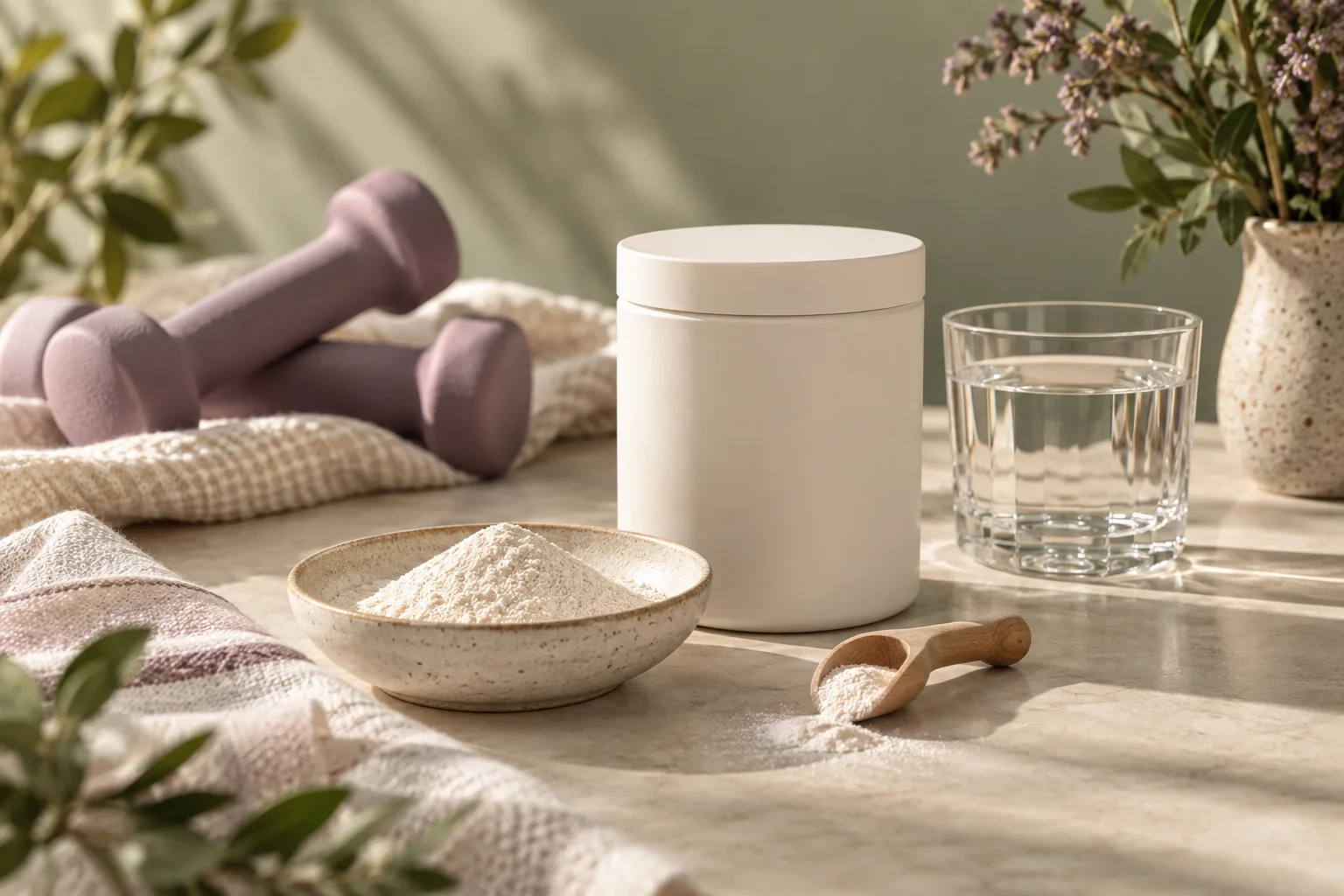
Look past the midlife marketing to understand where creatine research is useful—and where the promises run ahead.
Read the story ↗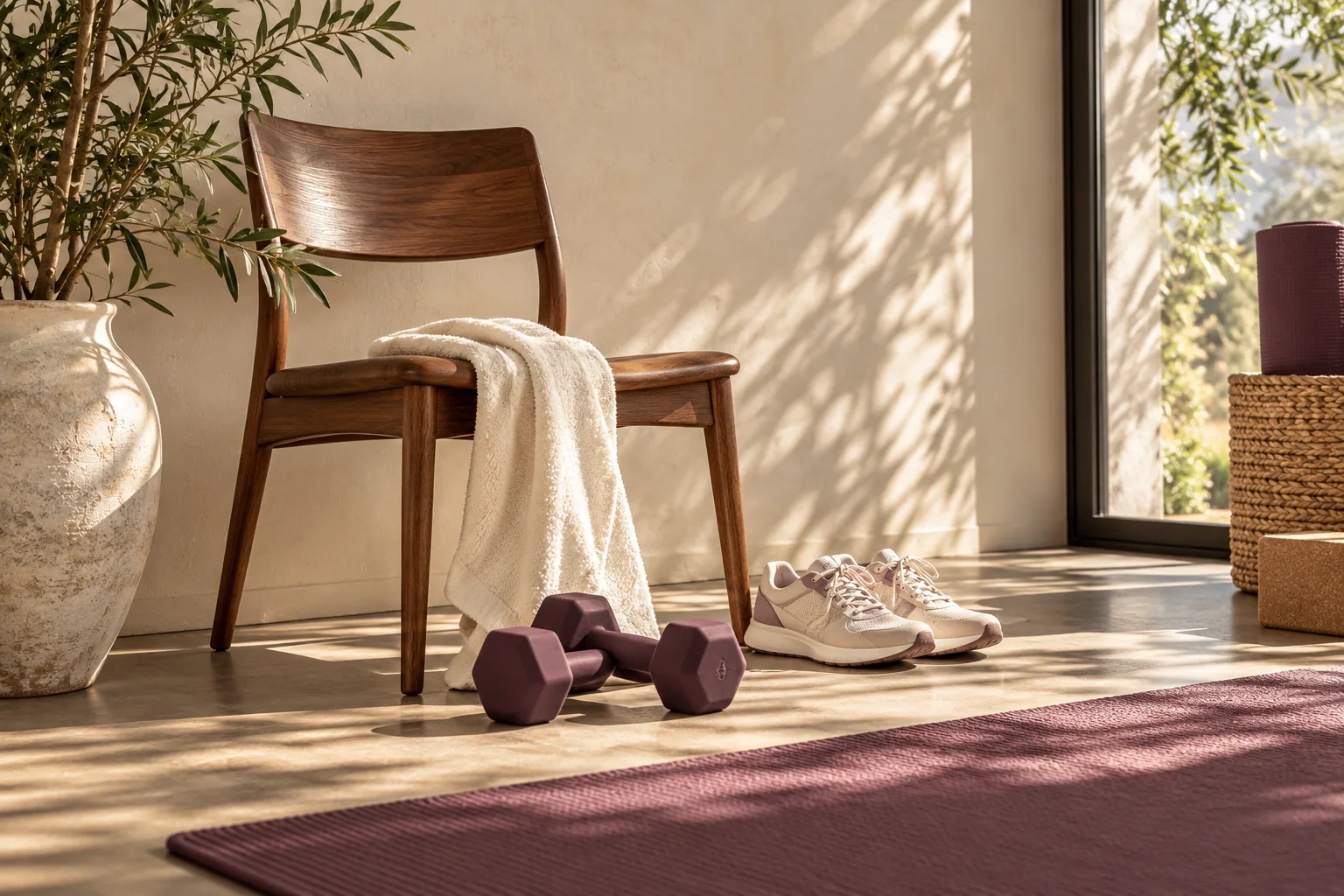
Six approachable moves, two strength days, and a daily habit that helps you build momentum without living in the gym.
Read the story ↗