
Eat for the life you want: Mediterranean, DASH, MIND, and more
Compare popular eating patterns by their evidence, everyday meals, and practical tradeoffs—without turning every bite into a rule.
Read the story ↗A clear look at ketogenic eating, blood sugar, cholesterol, food quality, and the questions to ask before making a major change.
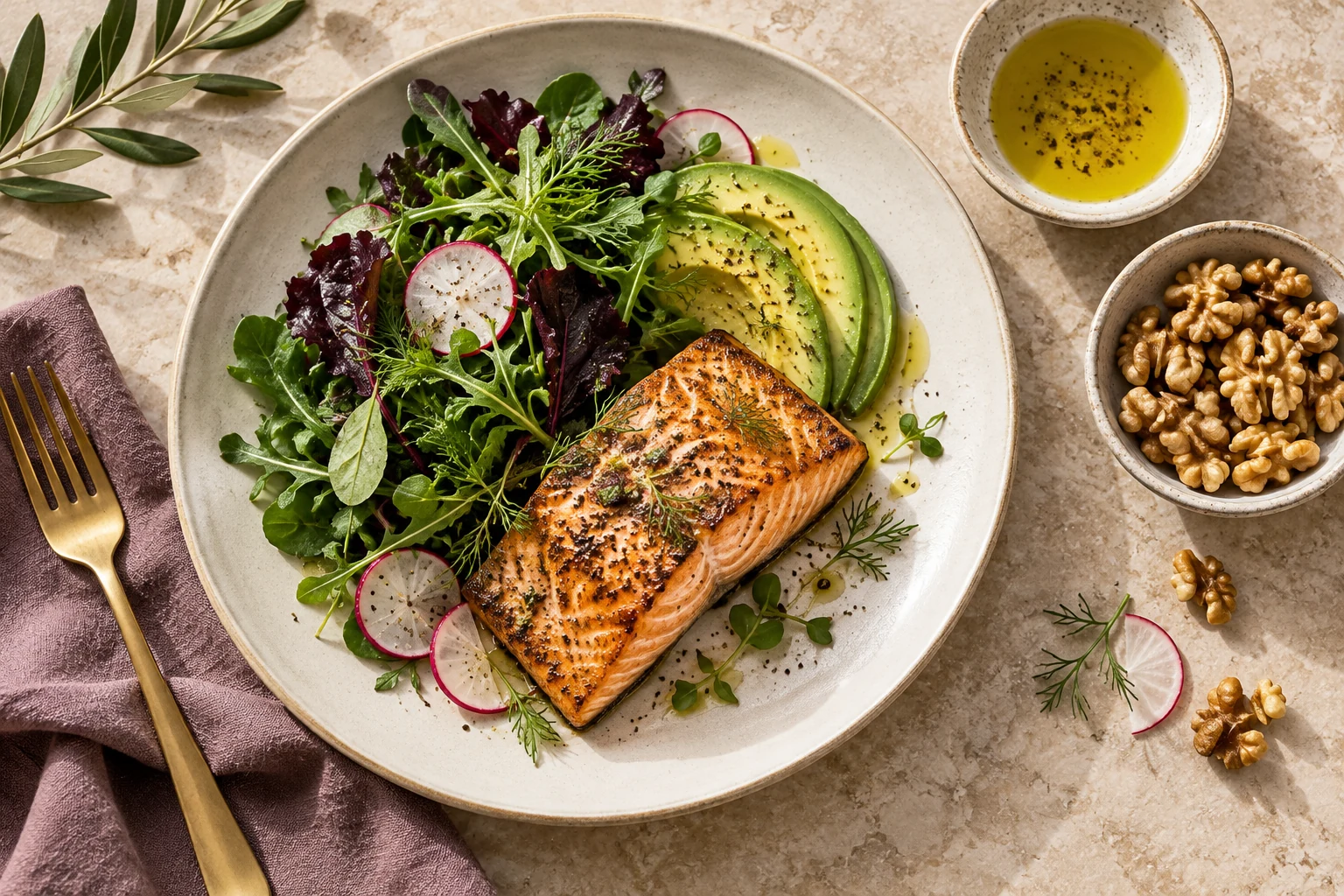
Keto is a very-low-carbohydrate eating pattern designed to shift the body toward producing ketones for fuel. It is more restrictive than simply eating less added sugar or choosing smaller portions of refined starches. That distinction matters: someone can improve food quality without aiming for nutritional ketosis.
Before adopting any eating pattern, ask what you want it to accomplish. Better blood sugar, a lower LDL cholesterol level, manageable hunger, enjoyable meals, and enough energy for strength training are related goals, but they are not interchangeable. A diet can improve one measurement while moving another in an unhelpful direction.
In the randomized Keto-Med crossover trial, adults with prediabetes or type 2 diabetes tried a ketogenic diet and a Mediterranean-style diet for twelve weeks each. The primary analysis included 33 participants with complete data. Both approaches improved average blood sugar compared with baseline, with no significant difference in the main HbA1c outcome between the diets.
Keto reduced triglycerides more, but LDL cholesterol rose on keto and fell on the Mediterranean pattern. The ketogenic phase also supplied less fiber and several nutrients. Follow-up suggested that the Mediterranean pattern was easier to maintain. This was a small, relatively short trial in a specific population; it does not establish the best diet for every reader or prove a longevity effect.
A useful diet conversation considers more than a quick change on the scale. What happens to LDL cholesterol? Are meals providing enough fiber? Can you eat comfortably with your family, travel, and maintain the pattern without becoming preoccupied with rules? Those are practical measures of whether an approach is working in your life.
The foods that replace carbohydrate matter. A pattern built around vegetables, fish, nuts, seeds, and unsaturated fats differs from one dominated by butter and processed meat. The American Heart Association's 2026 guidance emphasizes overall dietary patterns, healthy protein sources, whole grains, varied produce, and replacing saturated fats with unsaturated fats. Strict keto can make some of those priorities harder to meet.
Swipe or scroll to compare all columns.
| Question | A useful answer should include |
|---|---|
| What am I trying to improve? | A specific health goal and a way to review it. |
| What will I actually eat? | Food quality, fiber, protein, and realistic meals. |
| What could change with my medicines? | A prescriber-led plan before major restriction. |
| How will I know it suits me? | Energy, enjoyment, sustainability, and relevant clinical measurements. |
Do not start a ketogenic diet while taking an SGLT2 inhibitor without a discussion with your prescriber. These medicines are used for diabetes and also some heart and kidney conditions. Very-low-carbohydrate eating, prolonged fasting, and dehydration can increase ketoacidosis risk. The American Diabetes Association's 2026 standards discourage a ketogenic eating pattern in at-risk people using SGLT inhibition. Do not change prescribed medicine yourself.
Insulin and some other diabetes medicines can also require adjustment when carbohydrate intake changes substantially. Seek individualized nutrition advice if you are pregnant or breastfeeding, have kidney disease, have a history of an eating disorder, or are unintentionally losing weight. Kidney disease in particular may require a specific balance of protein, minerals, and fluids; a generic high-protein plan is not a substitute.
If your main aim is to eat better and feel stronger, consider starting with a Mediterranean-style or DASH pattern. You can reduce sugary drinks and heavily refined snacks while retaining beans, fruit, and whole grains. That gives you more ways to build meals around fiber and a satisfying protein source.
Try a practical first week: choose two breakfasts you enjoy, prepare one bean or lentil dish, keep vegetables you will actually use, and plan a few easy protein options. These are editorial meal-planning suggestions, not a prescription. Change the foods to suit your culture, budget, allergies, and medical needs.
Keto is not established as a way to make otherwise healthy people live longer. A lower glucose reading after one meal does not show that a diet extends life, and nutritional ketosis is not itself a score for overall health. Evaluate the whole pattern and the outcomes that matter to you.
The most useful question is not whether keto is good or bad in every circumstance. It is whether a particular version is appropriate, nutritionally adequate, sustainable, and supported by evidence for your specific goal. There is no need to make food more restrictive to make your commitment more serious.
Choose the health outcome you want to improve before choosing a diet label.
Consider cholesterol, fiber, medicines, medical history, and whether the meals fit your life.
Use the least restrictive approach that supports your needs and review relevant outcomes with your clinician.
Keto can change weight and metabolic measurements for some people, but it is not a proven longevity shortcut. Food quality, medication safety, and sustainability still matter.
This is general education, not a diagnosis or a personal treatment plan. Discuss medical treatments, supplements and changes relevant to your health with a qualified clinician. Research and regulatory guidance can change. How we work.
Compare popular eating patterns by their evidence, everyday meals, and practical tradeoffs—without turning every bite into a rule.
Read the story ↗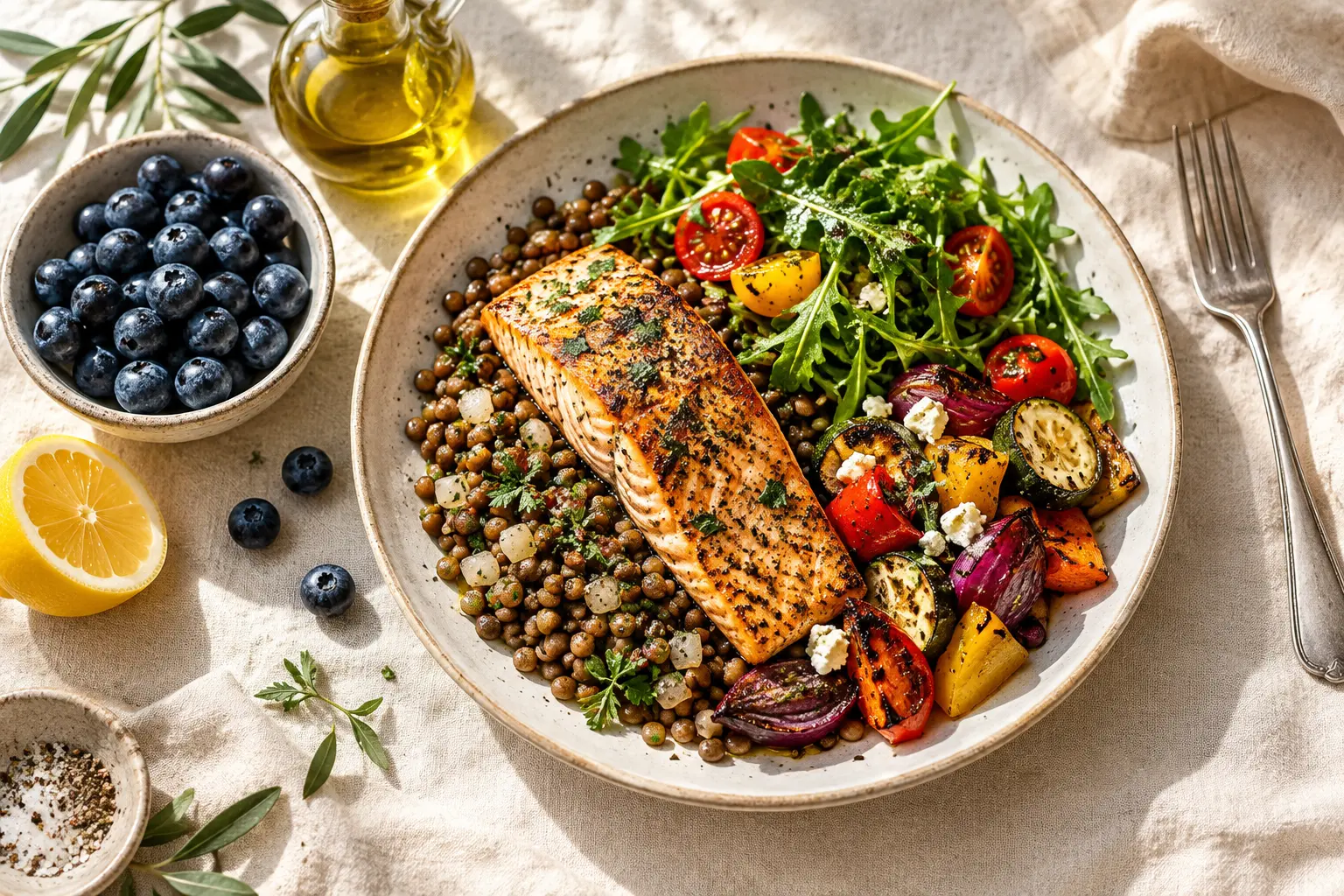
An inviting approach to nourishment: colorful meals, satisfying protein, and a routine that fits real life.
Read the story ↗
Six approachable moves, two strength days, and a daily habit that helps you build momentum without living in the gym.
Read the story ↗