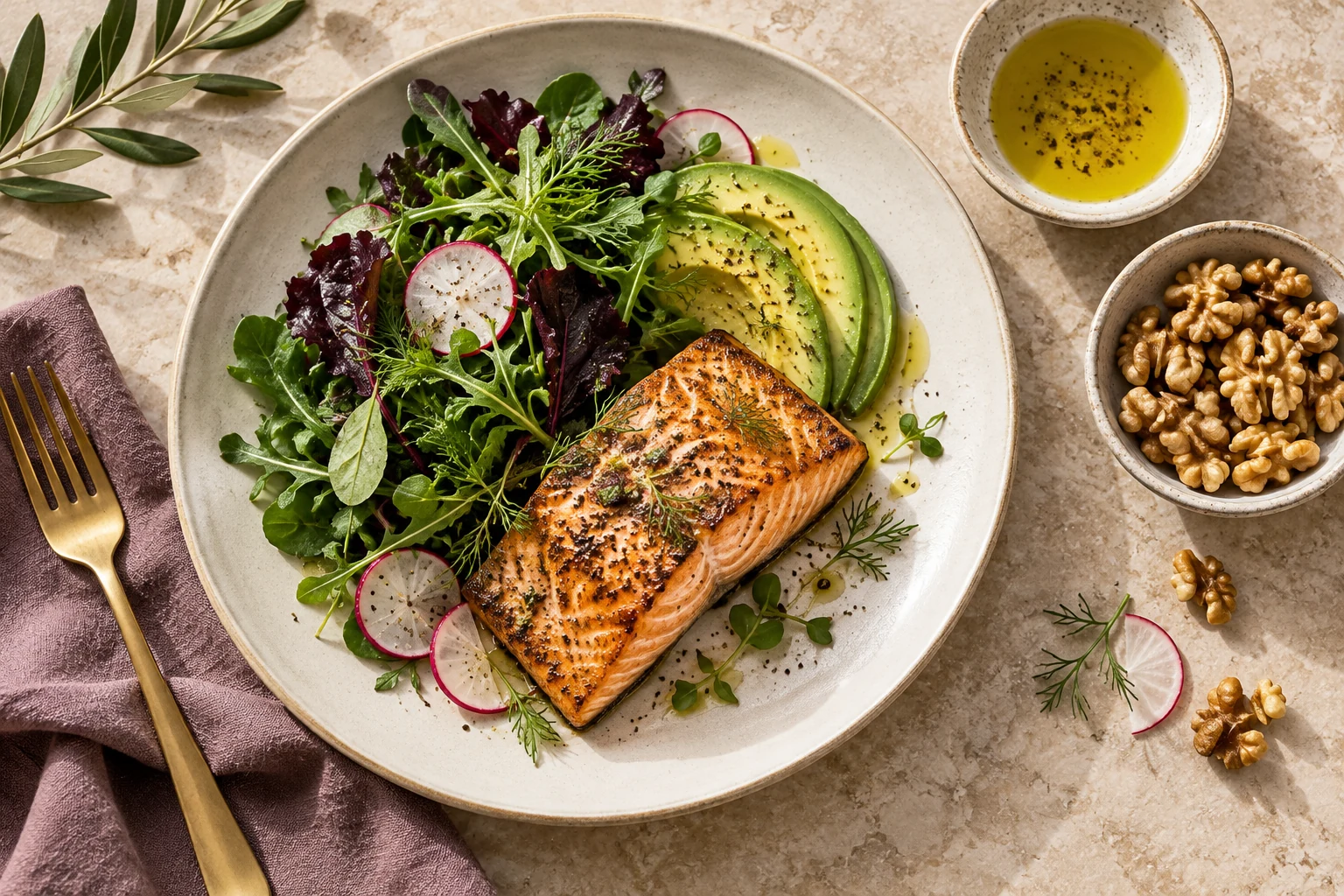
Keto, with context: what it can do and what it cannot promise
A clear look at ketogenic eating, blood sugar, cholesterol, food quality, and the questions to ask before making a major change.
Read the story ↗Compare popular eating patterns by their evidence, everyday meals, and practical tradeoffs—without turning every bite into a rule.
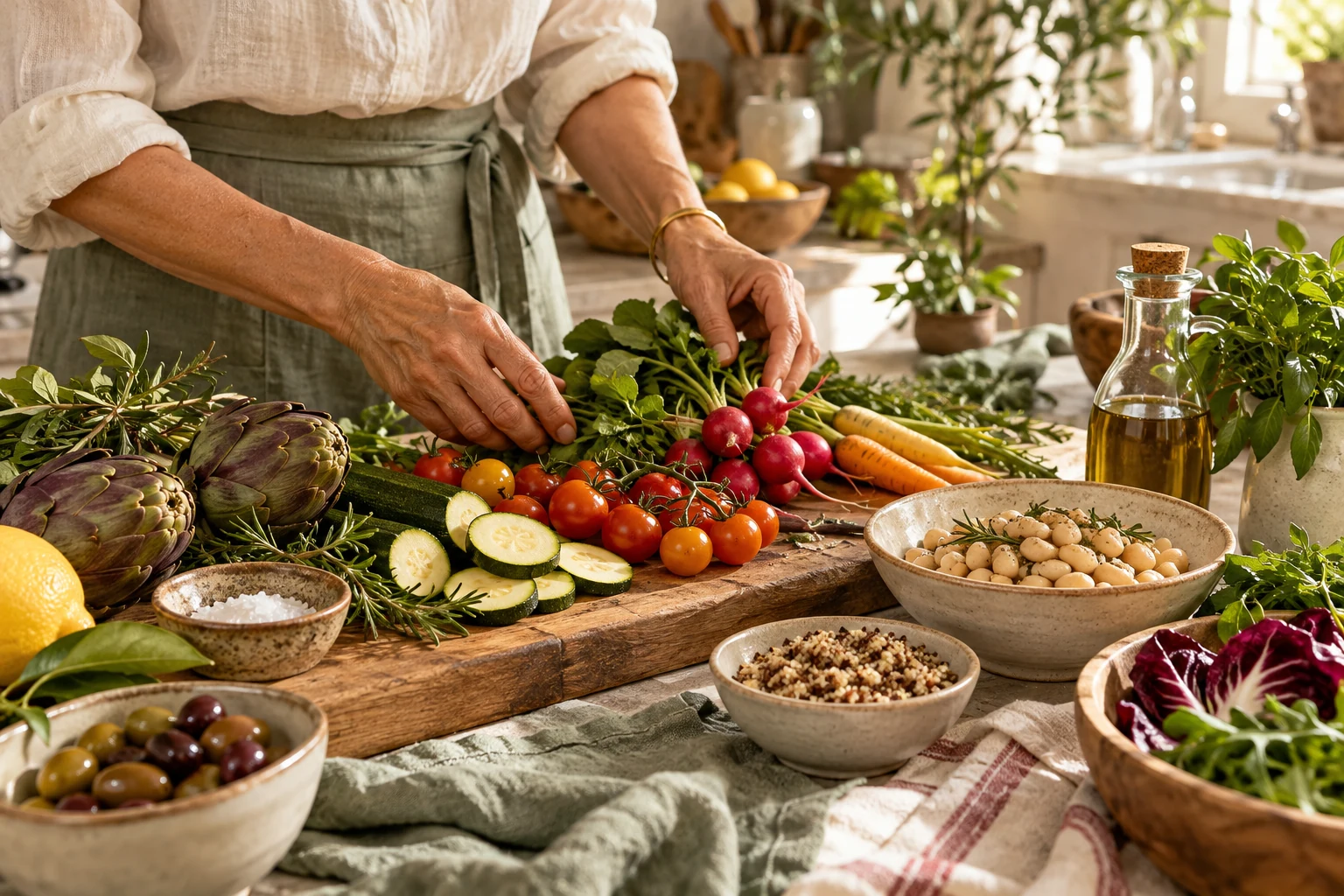
A useful eating pattern makes ordinary meals easier. It should help you shop, cook, enjoy food, and support your health without requiring you to start over every Monday. Mediterranean and DASH approaches offer particularly practical starting points, with room for different cultures, budgets, and tastes.
The American Heart Association's 2026 guidance focuses on the overall pattern: varied produce, mostly whole grains, healthy protein sources, unsaturated fats, and less sodium and added sugar. It also advises people who do not drink alcohol not to start. You do not need wine, imported ingredients, or expensive supplements to eat well.
These categories overlap. A plant-forward Mediterranean-style meal can also fit many DASH principles. MIND draws on both. Time-restricted eating changes the clock rather than telling you what belongs on the plate. The name alone does not tell you how nutritious a person's meals are.
Swipe or scroll to compare all columns.
| Pattern | Everyday focus | Evidence and limits |
|---|---|---|
| Mediterranean-style | Vegetables, beans, fruit, whole grains, nuts, olive oil, and flexible protein choices. | Cardiovascular benefit in a large trial of adults at high risk; not a guarantee of a longer individual life. |
| DASH | Produce, whole grains, low-fat dairy or appropriate alternatives, beans, nuts, fish, and lower sodium. | Strong trial evidence for lowering blood pressure; personal needs still matter. |
| MIND | Mediterranean and DASH principles with leafy greens, berries, nuts, and other plant foods. | Promising observational findings; a three-year randomized trial found no significant cognitive advantage over its control. |
| Plant-forward | More legumes, vegetables, whole grains, nuts, and seeds, with or without animal foods. | Food quality and nutrient adequacy matter; a plant-based label does not make every product healthy. |
| Time-restricted eating | A consistent daily eating window. | Some short-term metabolic benefits; not clearly superior to other approaches or proven to extend human life. |
| Ketogenic | Very low carbohydrate intake, with more energy from fat. | Can improve some short-term measurements, but LDL, fiber, sustainability, and medication safety need attention. |
The corrected 2018 PREDIMED analysis studied adults at high cardiovascular risk. Mediterranean diets supplemented with olive oil or nuts reduced major cardiovascular events compared with the control advice. That is meaningful human outcome evidence, although it applies to a particular study population rather than proving that any one food is a longevity treatment.
DASH was designed around blood pressure. NHLBI-supported feeding trials found improvements with the pattern, and reducing sodium added benefit. The plan is built from ordinary foods and can be adapted to calorie needs. People with kidney disease or other conditions affecting potassium, protein, or fluid balance should personalize it with their care team.
MIND includes many nutritious foods, but the brain-health claim needs care. In a three-year trial of 604 older adults, cognition and MRI outcomes did not differ significantly between MIND with mild calorie restriction and a control diet with mild calorie restriction. Both groups received support. It would be misleading to promise dementia prevention from the diet alone.
In a separate three-month trial in adults with metabolic syndrome, an eight-to-ten-hour eating window produced a modest improvement in HbA1c beyond standard nutritional care. The study was short and does not establish long-term benefit or a lifespan effect. Fasting is optional, and food quality still matters within the eating window.
Try building meals around a protein source, vegetables or fruit, and a fiber-rich carbohydrate you enjoy. An example day might include plain yogurt or fortified soy yogurt with oats and berries; a bean and vegetable bowl with olive-oil dressing; and fish or tofu with roasted vegetables and a whole grain. Adjust portions and ingredients to your needs.
Keep convenient choices available: frozen vegetables, no-salt-added canned beans, plain oats, eggs, tofu, and canned fish where suitable. Pick one improvement first, such as adding a vegetable to lunch or replacing a sugary drink. These sample combinations are editorial suggestions, not individual nutrition prescriptions.
Get tailored advice before fasting or making major carbohydrate changes if you take diabetes medicines. Avoid self-directed fasting during pregnancy or breastfeeding, or with an eating-disorder history. A registered dietitian can help you eat adequately while respecting your circumstances and medical needs.
Choose a pattern for its evidence and its fit with your life. A meal you can afford, enjoy, and repeat is a better foundation than a complicated plan you dread. The goal is a consistent way of eating that supports you, alongside movement, sleep, relationships, and appropriate medical care.
Start with Mediterranean or DASH principles and adapt the foods to your preferences and needs.
Include a protein source, produce, and fiber-rich foods, using affordable and convenient ingredients.
Consider energy, enjoyment, practicality, and relevant health measures rather than chasing a perfect label.
The strongest everyday choice is usually a nutritious pattern you can sustain. Mediterranean and DASH principles offer a flexible place to start; more restriction is not automatically better.
This is general education, not a diagnosis or a personal treatment plan. Discuss medical treatments, supplements and changes relevant to your health with a qualified clinician. Research and regulatory guidance can change. How we work.
A clear look at ketogenic eating, blood sugar, cholesterol, food quality, and the questions to ask before making a major change.
Read the story ↗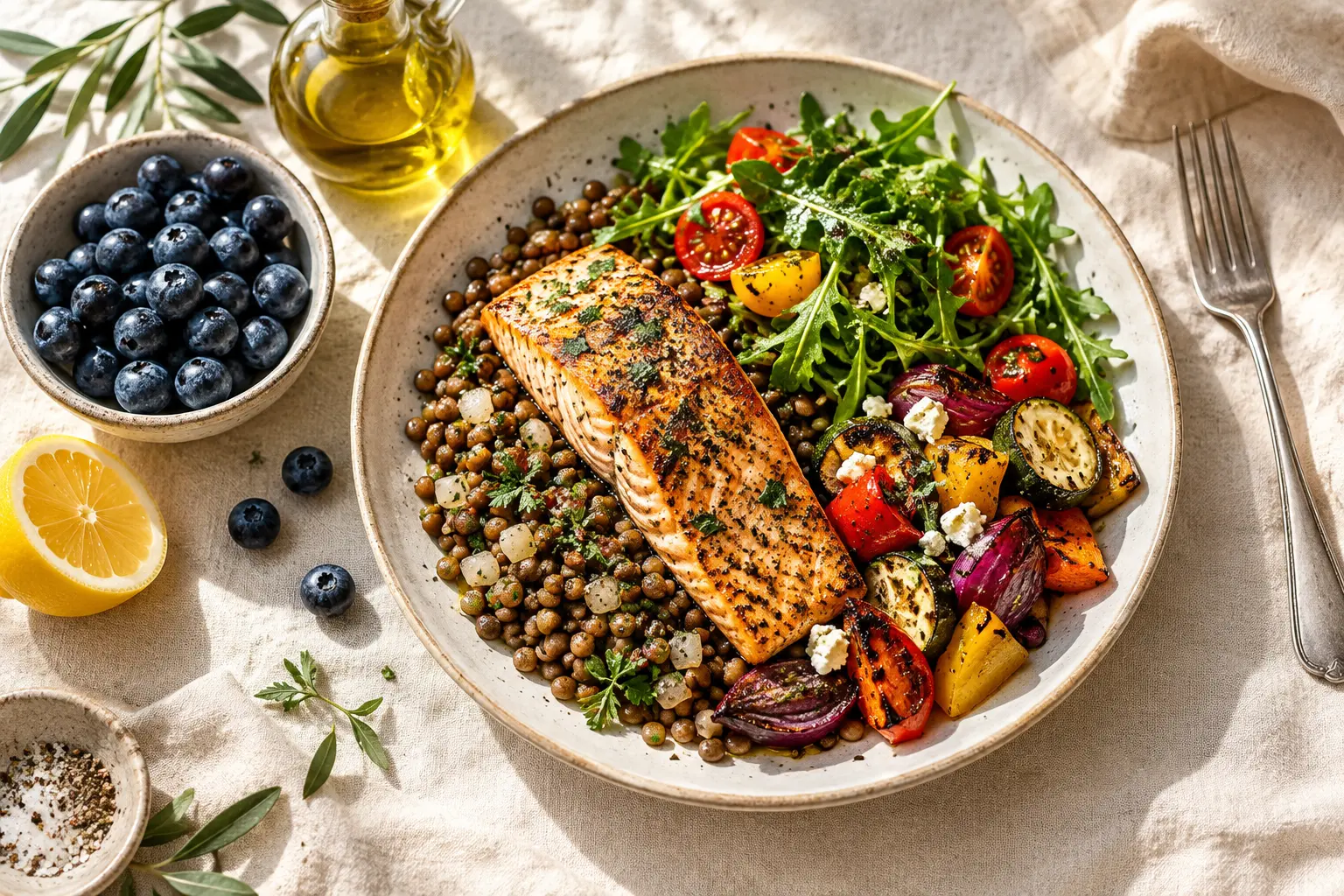
An inviting approach to nourishment: colorful meals, satisfying protein, and a routine that fits real life.
Read the story ↗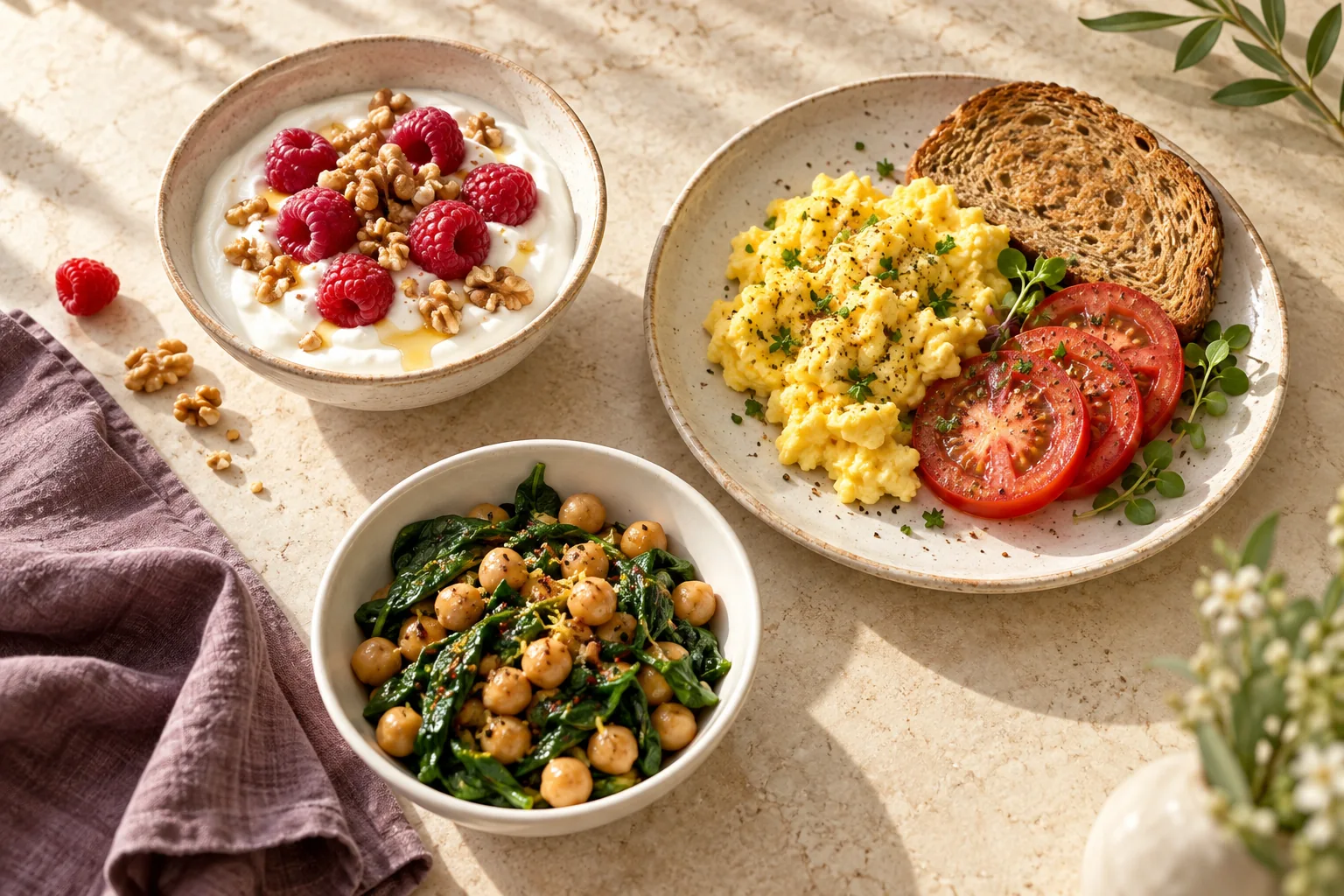
Three satisfying breakfast ideas built around everyday protein foods, colorful produce, and practical preparation.
Read the story ↗