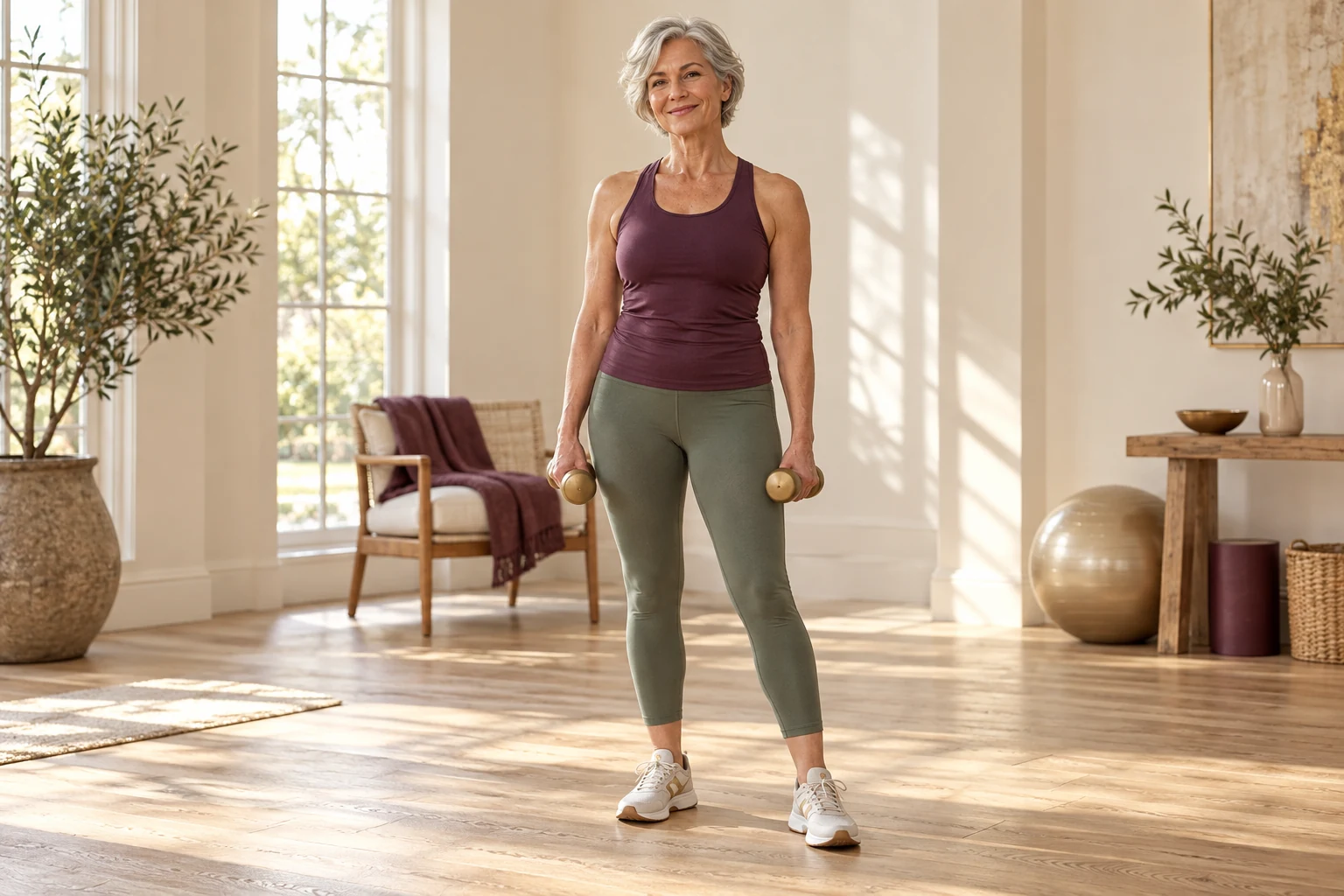
Strong in your 50s: a simple strength and balance routine
Build a routine around stronger legs, a capable upper body, and steadier balance—with options that meet you where you are.
Read the story ↗Care for your own well-being while building the family memories you want to be part of—at every age and ability.
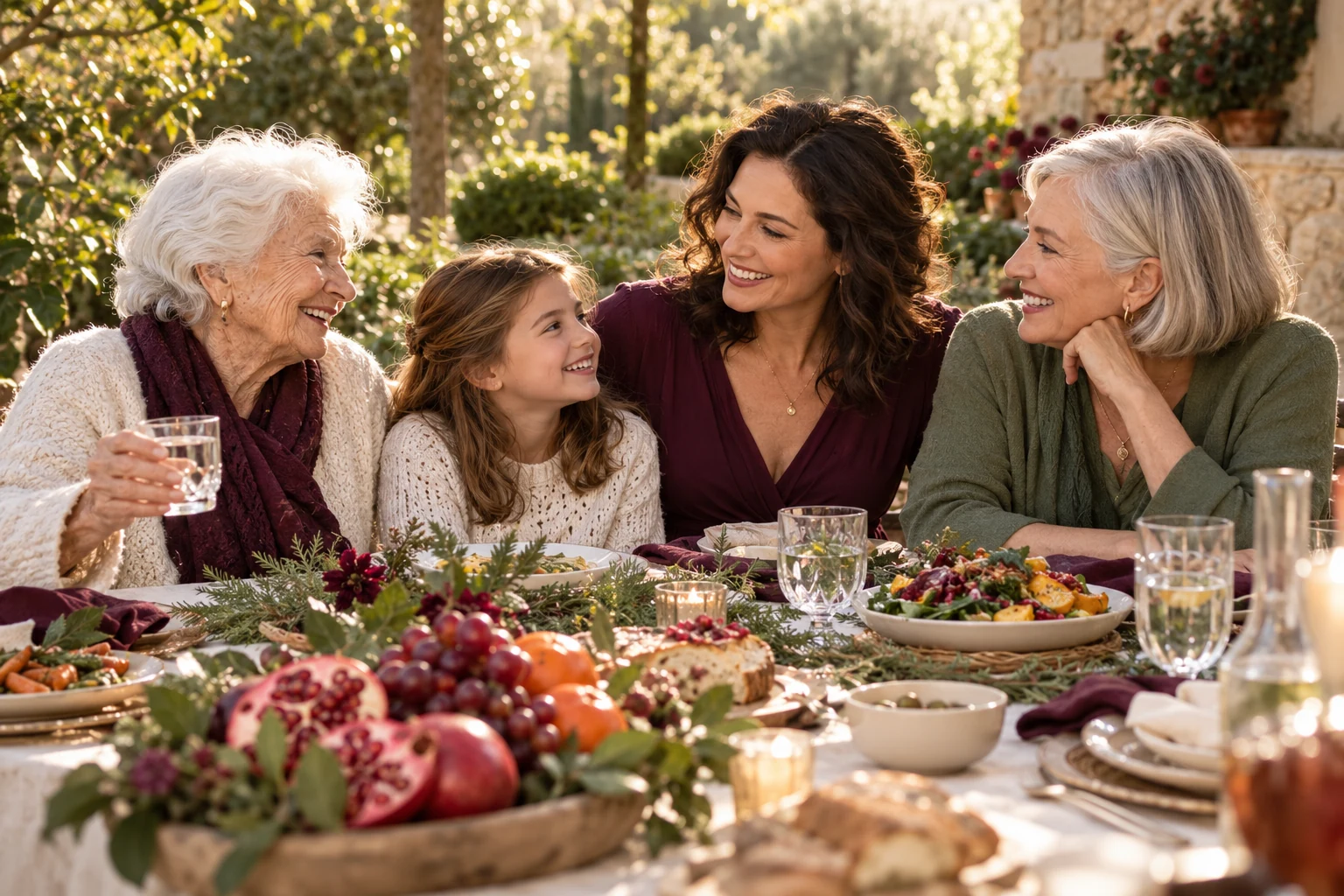
Wanting energy for the people you love can be a powerful reason to care for yourself. But being a good mother, grandmother or great-grandmother is not a fitness test. Chronic illness, disability, fatigue or needing help do not reduce the love you bring to a family. You deserve care for your own sake, as well as for the things you hope to share.
Healthy aging includes physical, mental and social well-being. CDC highlights movement, nutrition, connection, injury prevention and regular health care. Use these as areas to support, not a list of standards you must meet perfectly.
Begin by noticing the work that happens before anyone sees it: planning meals, remembering appointments, arranging childcare, handling school messages and helping everyone settle at night. Pick one recurring task to share fully, including its planning, with another willing adult.
Build an ordinary care appointment into the calendar: a meal you eat sitting down, a short walk, time for your own medical appointment or an evening with a friend. If childcare is difficult, ask for one specific block of help. Family movement can be enjoyable, but it is also fine to want time that belongs only to you.
Choose a meaningful activity: walking around a museum, gardening together, preparing a meal or carrying your own shopping comfortably. A suitable strength routine can support everyday capacity. Start at your current level, progress gradually and seek qualified guidance when pain, balance or an injury affects movement.
Use stable seating for reading, puzzles or craft time. Bring the activity to a comfortable height instead of assuming you must sit on the floor. If lifting a child feels unsafe or painful, invite them to sit beside you with appropriate adult help. A child is not an exercise weight, and affection does not require lifting.
For adults 65 and older, CDC guidance includes aerobic movement, strength work and balance activities adapted to ability. A clinician or physical therapist can help make the plan practical when falls, dizziness, pain or medical conditions are concerns. Some activity is better than none; a plan should support participation, not exhaust you.
Consider the setting as well as your fitness. Clear walking paths, good lighting, a supportive chair, an accessible bathroom and a reliable ride may make a family visit more enjoyable. Keep hearing or vision needs in the conversation. Ask the family to choose a time and place that works for you.
Tell a story, teach a family skill, record a voice message or choose the photographs for an album. Shared attention can create a memory even when the visit is short or happens by video. Rest breaks belong in the plan.
Try a weekly “something lovely” hour. Rotate who chooses an activity and give it both a moving and seated option. A neighborhood nature search can become birdwatching from a porch; baking can include mixing at a table; a dance party can include moving arms to a favorite song.
Avoid discussing anyone’s weight, portion size or appearance as a condition of being healthy. Celebrate effort, curiosity, kindness and what a body allows someone to enjoy. If a relative declines an activity, make space for another way to be included.
Ask your own clinician which preventive visits, screenings and vaccinations are appropriate for your age, history and location. Review medicines with a clinician or pharmacist when side effects, interactions or changing needs are concerns. New symptoms deserve assessment rather than being automatically attributed to age.
Caregiving can also affect mood and relationships. Tell someone when the load is becoming too much, and ask about respite or practical help. If persistent distress is interfering with daily life, seek professional support. Being cared for is part of family life too.
Choose a shared activity that feels meaningful and enjoyable.
Adapt the setting, pace, seating or movement to your needs.
Protect your own rest and health appointments, and ask for specific help.
Original illustrations support the steps above. Adapt each idea to your needs.
Care for yourself and make room for connection in the form that works for you. Love is not measured in steps, strength or stamina.
This is general education, not a diagnosis or a personal treatment plan. Discuss medical treatments, supplements and changes relevant to your health with a qualified clinician. Research and regulatory guidance can change. How we work.
Build a routine around stronger legs, a capable upper body, and steadier balance—with options that meet you where you are.
Read the story ↗
Small ways to bring presence, connection, play and purpose into ordinary days—without turning happiness into another assignment.
Read the story ↗
What long-lived people can teach us about strength, connection, sleep, and making the years ahead feel good.
Read the story ↗