
The Blue Zones: what to borrow, and what to question
Five famous places, useful everyday lessons, and a thoughtful look at what longevity research can actually tell us.
Read the story ↗What long-lived people can teach us about strength, connection, sleep, and making the years ahead feel good.

Imagine being able to walk to lunch with a friend, carry your shopping, learn something new, and stay involved in the lives of people you love. That is a useful picture of longevity. Reaching a particular birthday is less controllable than building the strength, relationships, and care that support everyday life.
No routine, supplement, or positive attitude can guarantee that you will reach 100. Genetics, environment, medical care, and chance all matter. Families with exceptionally long-lived members give researchers clues about protective biology, but people who reach extreme ages do not share one universal secret. Their stories are inspiration, not instructions that everyone can reproduce.
A 2024 JAMA Network Open study followed a Chinese older-adult cohort and compared 1,454 people who became centenarians with 3,768 who died before reaching 100. A healthier score based on smoking, exercise, and dietary variety was associated with higher odds of reaching that birthday, even among people already in very late life.
This was an observational study, not an experiment assigning people a lifestyle. Healthier people may find it easier to exercise and eat varied meals, and other differences can influence the result. It cannot tell a person in their 40s exactly how many years a habit will add. Its encouraging message is that caring for your health can remain worthwhile at advanced ages.
Regular activity supports mobility and helps reduce the risk of several chronic conditions. Work gradually toward at least 150 minutes of moderate activity each week and muscle-strengthening work on at least two days. Walking counts; so do dancing, cycling, and activities you enjoy enough to repeat. Your starting point matters more than your age label.
Make meals varied and satisfying: vegetables, fruit, whole grains, beans, healthy fats, and protein foods. Extreme restriction is not a prerequisite for aging well. Keep routine healthcare on the calendar, including conversations about blood pressure, appropriate screening, and symptoms that need attention.
Adults aged 18 to 60 generally need at least seven hours of sleep. Regular timing, a quiet bedroom, and a realistic wind-down routine can help. Persistent insomnia, heavy snoring with breathing pauses, or daytime sleepiness deserve a healthcare conversation rather than another attempt to optimize your bedtime score.
A meaningful life is also an active ingredient in how you feel. The National Institute on Aging encourages hobbies, social activities, and volunteering that fit your interests and energy. Try a weekly walk with a neighbor, a class, a faith community, or a small volunteer commitment. These are invitations to belonging, not another performance target.
Avoiding tobacco is one of the clearest health priorities. If you smoke, asking for help to quit remains worthwhile; a difficult previous attempt does not make the next one pointless. Long life is not a reward for being morally good, and illness is not evidence that someone failed to take care of themselves.
Choose a routine that survives ordinary weeks. The version you can do while busy, tired, or caring for family is more useful than a beautiful plan you abandon after three days. Ask what would make the healthy choice easier: a walking partner, frozen vegetables, a comfortable bedtime, or a recurring reminder to book care.
Choose one movement habit, one social appointment, and one practical health task. Put them where you can see them. At the end of the week, notice what helped you feel capable, connected, and rested. Keep that part and adjust the obstacle. You do not need to overhaul your life to begin taking better care of it.
Try describing progress in ordinary language: getting up from a chair feels easier, you look forward to Thursday's walk, or you finally asked about a symptom. That makes your plan personal. A future birthday can remain a lovely ambition without becoming a test you must pass.
Pick a manageable movement or meal habit and attach it to something you already do.
Invite someone into a walk, meal, class, or regular conversation.
Notice energy, confidence, sleep, and everyday capability rather than chasing a promised lifespan.
Aim for more years of strength, connection, and independence. No one can promise 100; you can make today a better foundation for tomorrow.
This is general education, not a diagnosis or a personal treatment plan. Discuss medical treatments, supplements and changes relevant to your health with a qualified clinician. Research and regulatory guidance can change. How we work.
Five famous places, useful everyday lessons, and a thoughtful look at what longevity research can actually tell us.
Read the story ↗
A quieter evening, a comfortable bedroom, and a thoughtful way to understand the nights that still feel difficult.
Read the story ↗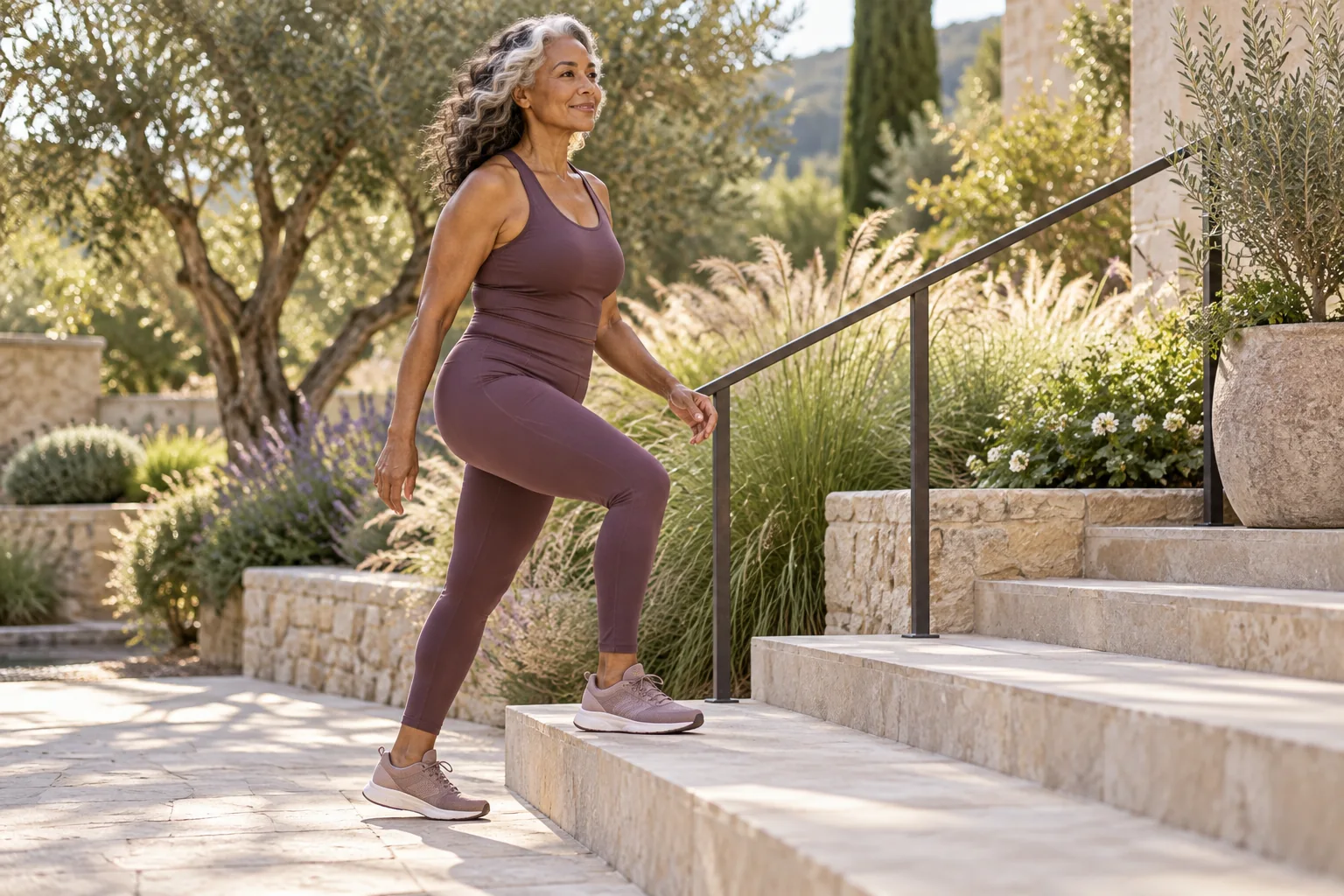
A practical look at movement, nourishment, and the bone-health conversation worth having around menopause.
Read the story ↗