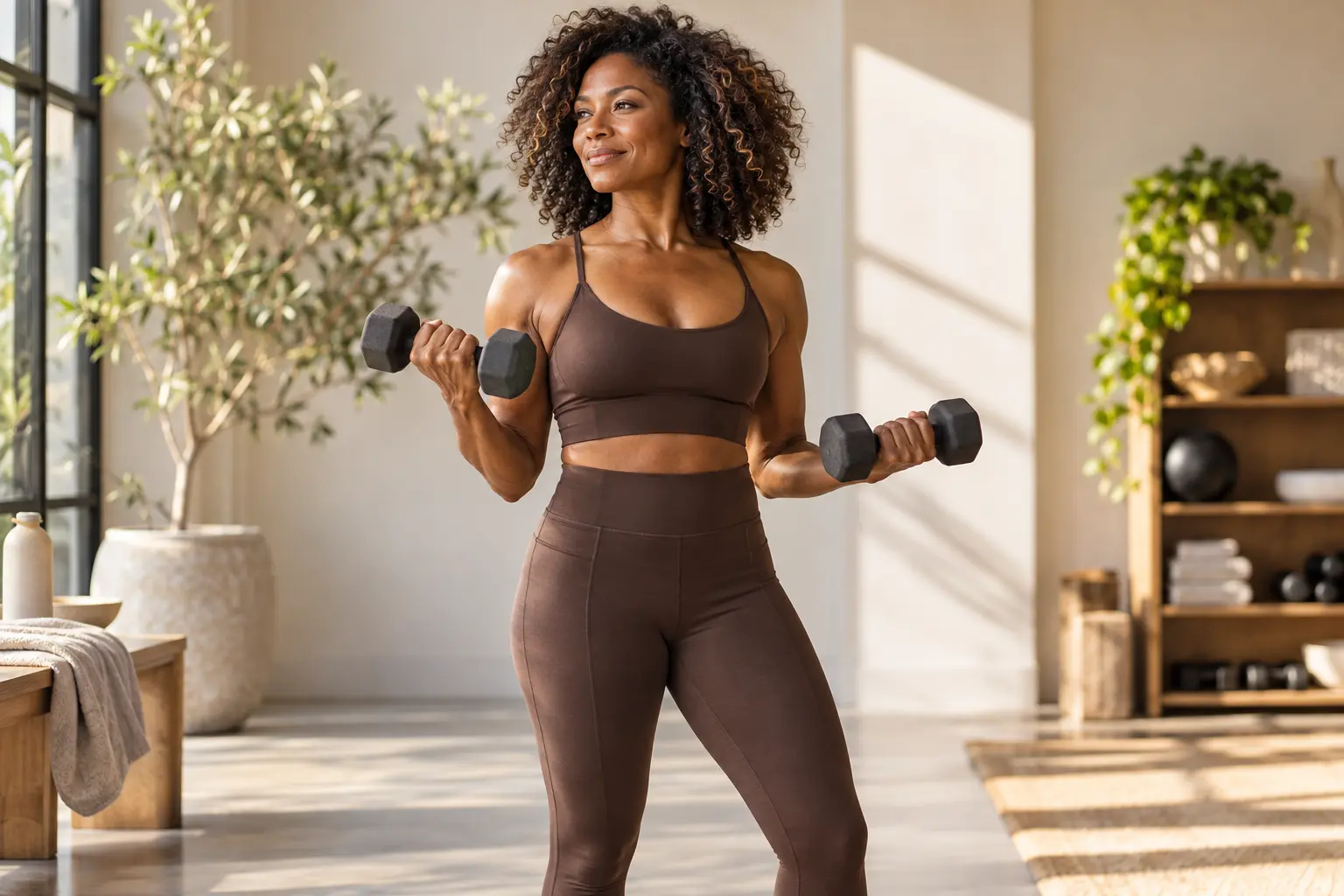
Strong is a beautiful way to age.
Think beyond the mirror. Build the capacity for stairs, travel, play, and everyday independence.
Read the story ↗A practical look at movement, nourishment, and the bone-health conversation worth having around menopause.
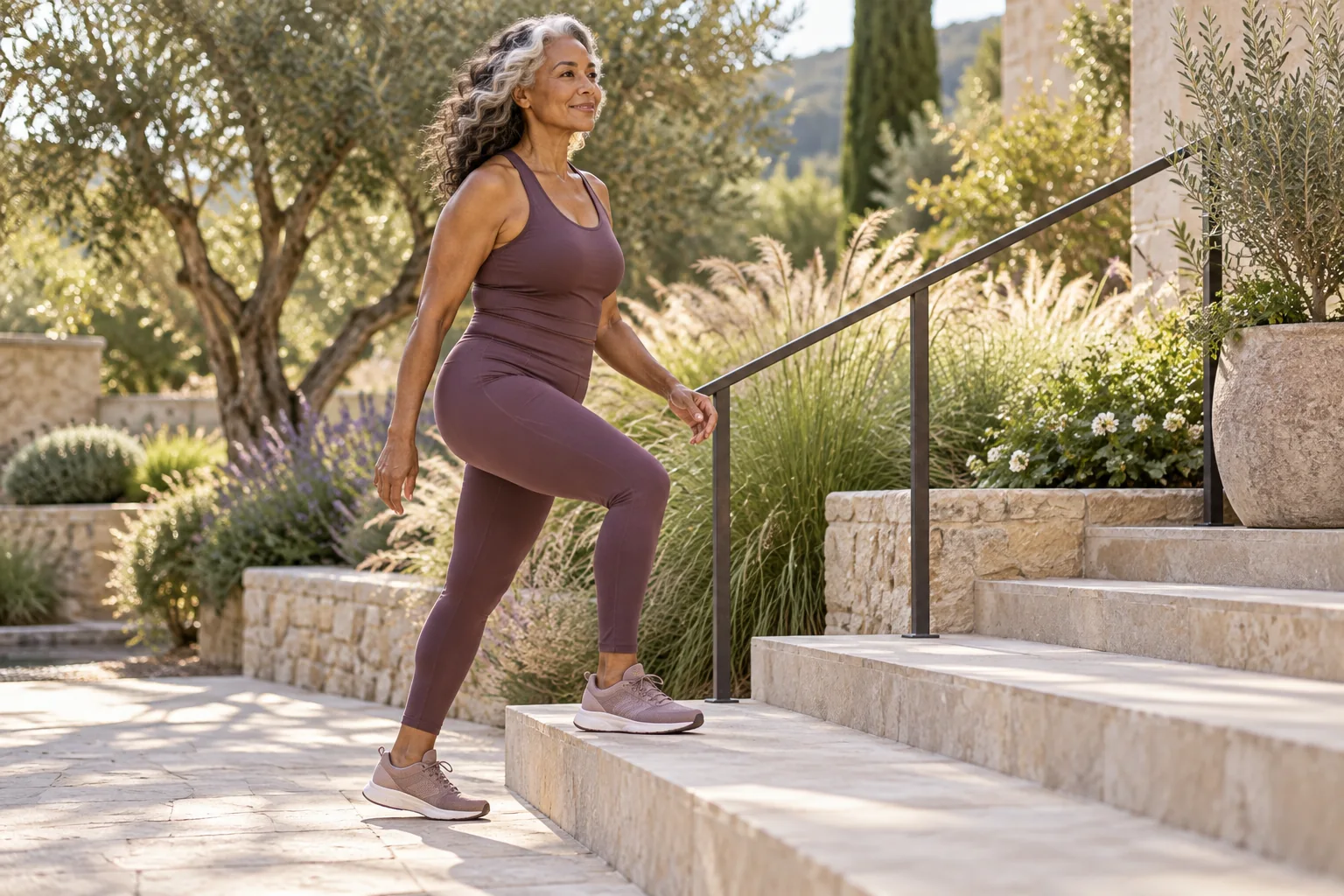
Bone health rarely asks for attention in the way a poor night's sleep or an uncomfortable joint can. Yet it belongs in the same thoughtful maintenance plan. The goal is practical: support the structure that carries you through walks, travel, everyday tasks, and the activities you hope to keep enjoying.
NIAMS explains that osteoporosis weakens bones and can remain unnoticed until a fracture occurs. Bone loss accelerates after menopause as estrogen levels fall. This makes midlife a useful time to understand personal risk, while remembering that bone health also matters for men and people outside the menopause transition.
NIAMS recommends a combination of weight-bearing activity, resistance exercise, and balance work for bone health and fall prevention. Walking and dancing are examples of weight-bearing movement; resistance can come from weights, bands, or suitable body-weight exercises. The right choices depend on ability and health history.
A walking habit is a useful start, and strength and balance deserve attention alongside it. If you have osteoporosis, low bone density, a previous fracture, or physical limitations, ask a clinician or physical therapist about an appropriate program before adding challenging movements. The aim is a plan that supports you, not a test of how much impact you can tolerate.
Calcium is part of bone structure, and vitamin D helps the body absorb calcium. Food sources can include dairy, calcium-set tofu, fortified products, and some leafy vegetables for calcium; certain fish and fortified foods provide vitamin D. Check labels because fortification differs between products.
Look at your usual meals before automatically adding supplements. You might discover several foods you already enjoy that can contribute. A clinician or registered dietitian can help assess your needs and whether supplementation is appropriate. More is not a personal plan, and a supplement cannot replace a broader approach to bone health.
The U.S. Preventive Services Task Force recommends osteoporosis screening for women 65 and older and for younger postmenopausal women found to be at increased risk after assessment. This general screening recommendation is for people without known osteoporosis or a fragility-fracture history; those with existing disease, certain conditions, or bone-affecting medicines need individualized care.
Bring your fracture history, family history, and medication list to the discussion. Ask whether a bone-density scan or risk assessment would change your care. The conversation should connect a test to a useful decision rather than make testing feel like another wellness purchase.
Your bone bank is a metaphor for ongoing care, not a promise that any routine can prevent every fracture. Combine a realistic movement plan, food choices you enjoy, and a clear understanding of your own risk. Consider everyday footing too: a well-lit route and a home without easy trip hazards make practical sense.
Bring relevant history and medicines to a bone-health discussion.
Choose suitable movement and include foods that contribute to bone nutrition.
Understand whether screening or further care is appropriate and when to review it.
Bone health deserves an ongoing place in your routine: suitable movement, adequate nutrition, and screening or treatment when it fits your risk.
This is general education, not a diagnosis or a personal treatment plan. Discuss medical treatments, supplements and changes relevant to your health with a qualified clinician. Research and regulatory guidance can change. How we work.
Think beyond the mirror. Build the capacity for stairs, travel, play, and everyday independence.
Read the story ↗
What hormone therapy can help with, what changed in the labeling, and what to bring to your appointment.
Read the story ↗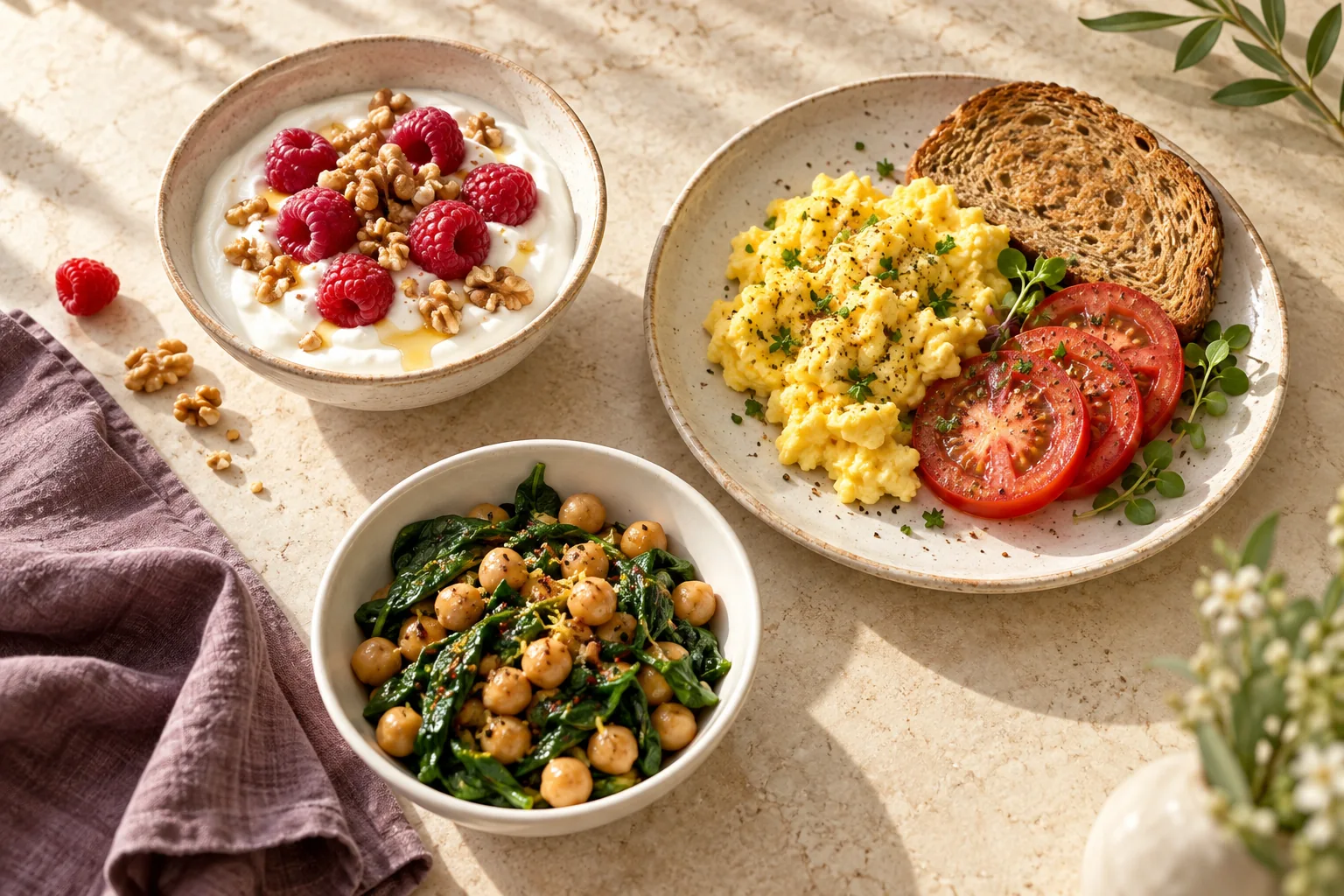
Three satisfying breakfast ideas built around everyday protein foods, colorful produce, and practical preparation.
Read the story ↗