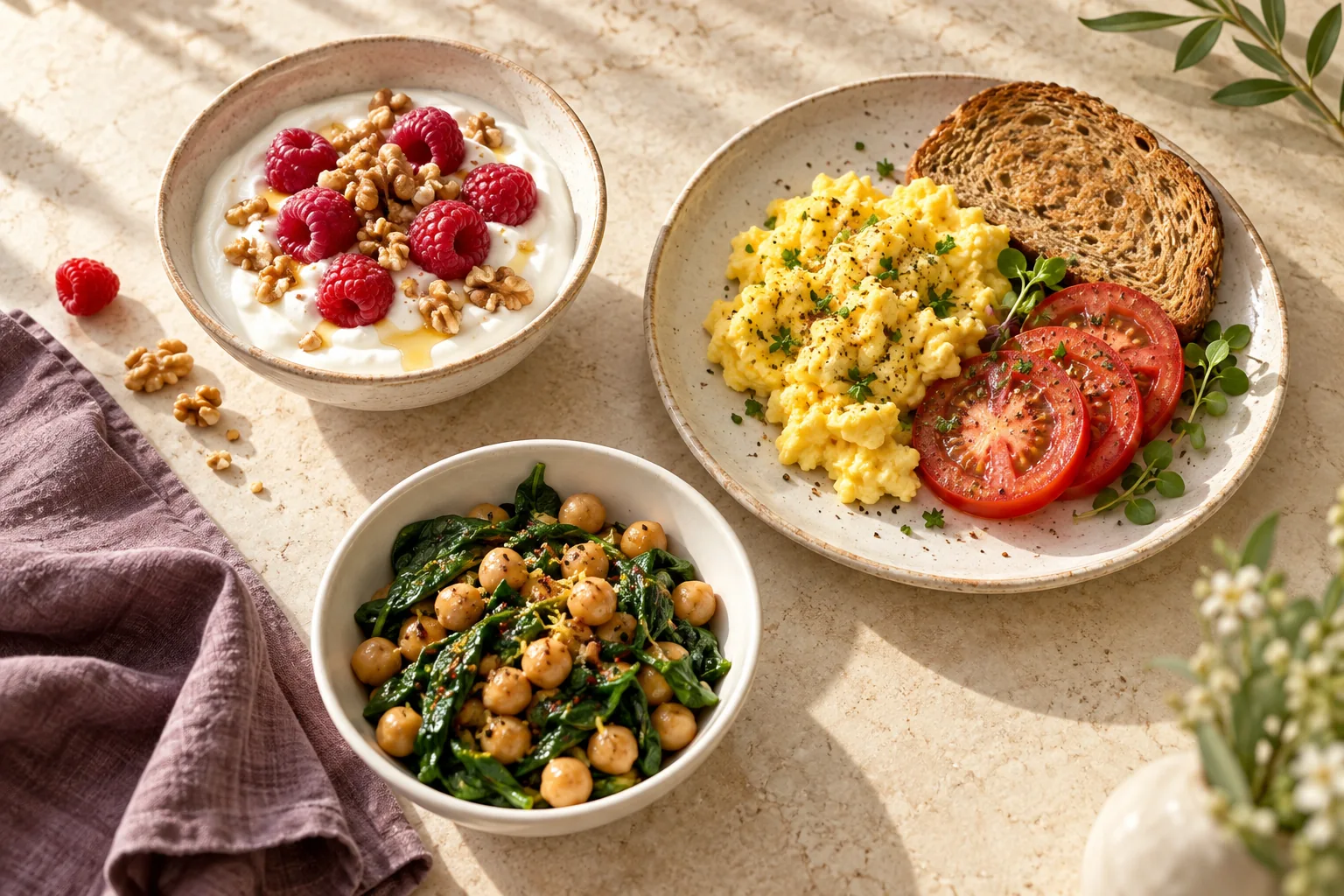
A better breakfast, beautifully simple.
Three satisfying breakfast ideas built around everyday protein foods, colorful produce, and practical preparation.
Read the story ↗A practical plan for nourishing meals, favorite treats and hosting that leaves everyone feeling welcome.
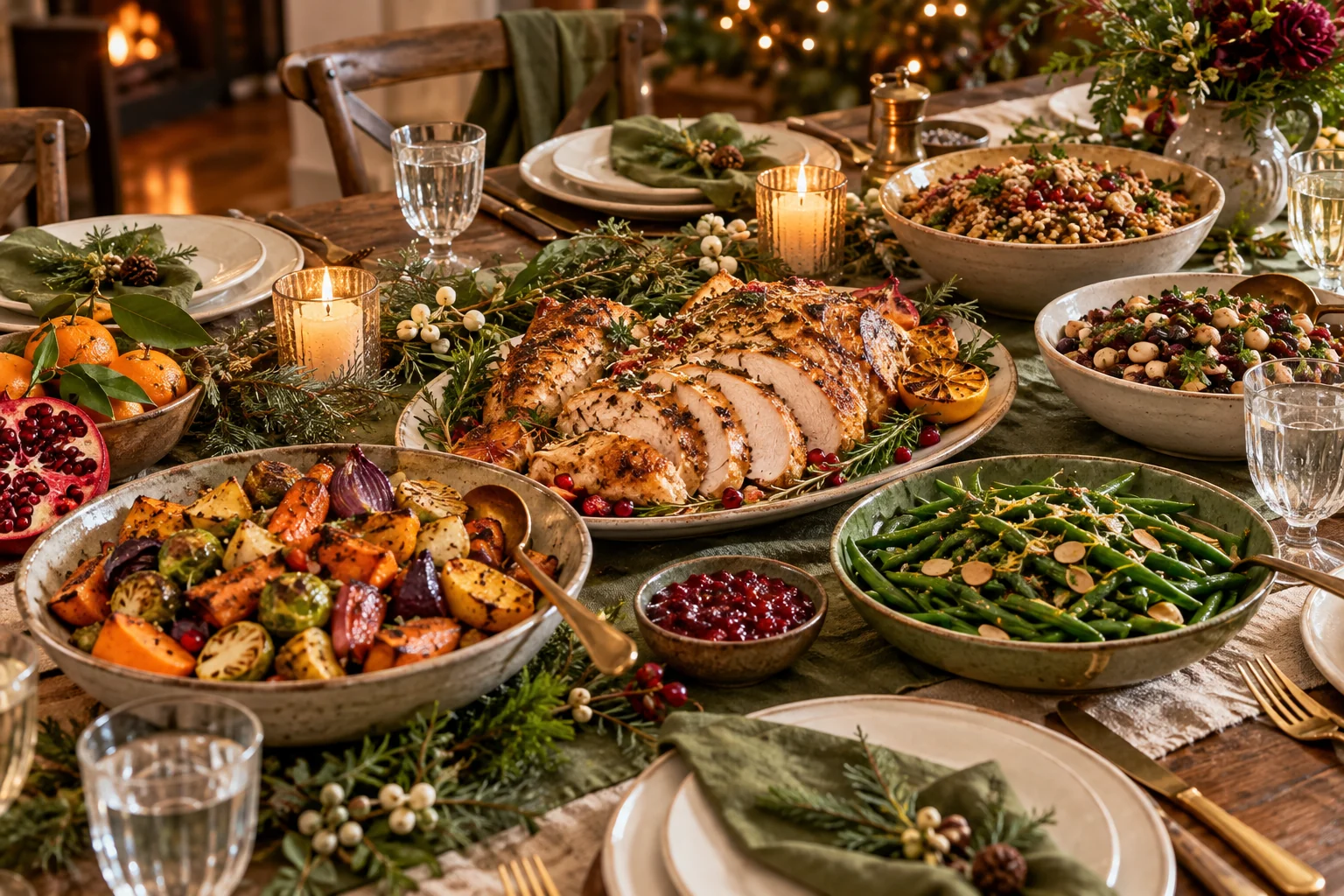
The holidays do not need to become a contest between celebrating and taking care of yourself. A nourishing breakfast, a satisfying party plate and your favorite family dessert can belong in the same day. Start with a useful question: what would help me enjoy this gathering and feel comfortably cared for afterward? Keep that intention nearby as the invitations and errands accumulate.
A single meal does not define your eating pattern. Plan for the ordinary days around the special ones, and leave room for food that carries memories. You can love the holiday cookies without making them your only lunch. You can also decline a dish without explaining your body, your weight or your medical history to the table.
If dinner is late, make lunch a real meal. Put something dependable in the fridge before the busy week begins: a pot of lentil soup, cooked grains, washed vegetables or ingredients for a quick egg-and-toast supper. Frozen vegetables, canned beans and ready-to-use produce can make this easier; nutritious eating need not depend on cooking everything from scratch.
For a party day, an example might be yogurt, fruit and oats at breakfast; a bean-and-vegetable sandwich at lunch; and a snack if the gap before dinner is long. Choose foods and portions that meet your needs. CDC holiday guidance advises against skipping meals to save up for a feast. People with diabetes may need a more specific meal and medication plan from their care team.
Take a look at the food before you choose. Find a protein food, some vegetables or fruit, a grain or starchy favorite, and the dishes you came to enjoy. Turkey, fish, tofu or beans can be the protein; roasted carrots, green beans or a bright salad can add color. The point is variety and satisfaction, not perfect geometry or a plate that looks the same for everyone.
Put the food on a plate and find somewhere to sit when possible. Notice how it tastes and whether you are still hungry. More food is available if you need it. If a beloved dessert arrives when you are comfortably full, you can save a portion for later, provided it can be stored safely. You do not have to prove enjoyment by eating past comfort.
Build a menu with a familiar centerpiece and a few flexible sides. For example: roast turkey or a bean-and-mushroom main, roasted vegetables, potatoes, a crisp salad, bread and dessert. Put dressings and sauces on the side. Offer appealing water and zero-proof drinks alongside any other beverages, without turning someone’s drink choice into a conversation.
Ask privately about allergies and dietary needs before shopping. Keep ingredient labels and separate serving utensils available; do not promise an allergen-free dish if cross-contact is possible. Let guests serve themselves, and avoid comments about their portions. A welcoming table includes people whose nutrition needs or food histories you cannot see.
Plan tomorrow’s lunch before you clear tonight’s table. Package leftovers in shallow containers and refrigerate promptly. CDC advises keeping perishable food out for no more than two hours, or one hour above 90°F, and keeping the refrigerator at 40°F or below. Use chilled leftovers within three to four days; reheat leftovers to 165°F. Time outside refrigeration counts even during a long, lovely conversation.
When you wake up, return to regular meals. There is no need for a compensatory fast, a detox drink or a punishment workout. If you want movement, a comfortable walk can be a pleasant way to connect with someone. Finish the holiday by keeping the parts that nourished you: a favorite recipe, a shared laugh, and an easier plan for the next gathering.
Choose easy breakfasts and lunches for the days surrounding the celebration.
Offer a vegetable, bean or other dish that fits the menu and your needs.
Choose a satisfying mix, include favorites and let everyone decide their own portions.
Chill leftovers promptly and return to regular meals the next day.
Original illustrations support the steps above. Adapt each idea to your needs.
Build a dependable everyday pattern, enjoy the foods that matter to you, and make the celebration welcoming.
This is general education, not a diagnosis or a personal treatment plan. Discuss medical treatments, supplements and changes relevant to your health with a qualified clinician. Research and regulatory guidance can change. How we work.
Three satisfying breakfast ideas built around everyday protein foods, colorful produce, and practical preparation.
Read the story ↗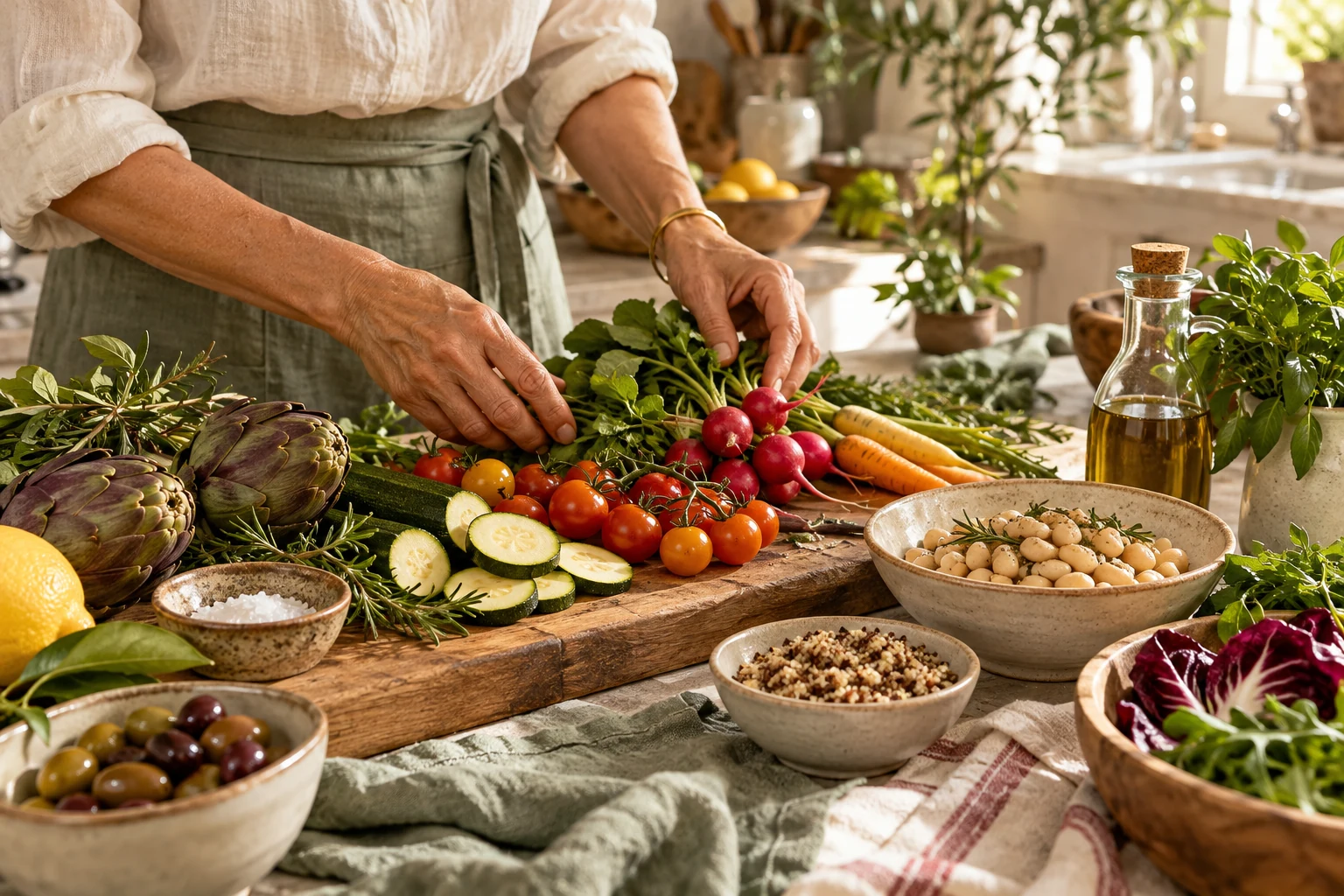
Compare popular eating patterns by their evidence, everyday meals, and practical tradeoffs—without turning every bite into a rule.
Read the story ↗
Before you add another capsule, get clear on the purpose, the evidence, and the product behind the promise.
Read the story ↗