
Strong is a beautiful way to age.
Think beyond the mirror. Build the capacity for stairs, travel, play, and everyday independence.
Read the story ↗Turn a familiar activity into a flexible fitness habit—with a pleasant route, a useful pace, and room to begin where you are.

There is something appealing about an activity that starts at the front door. A walk can be a reason to see the neighborhood, meet a friend, or put a small boundary between work and the rest of the day. It can be purposeful without becoming complicated.
Decide what would make your walk appealing enough to repeat. A tree-lined route, an interesting street, a waterfront path, or an indoor place in hot weather may matter more to your consistency than a new gadget. The best route is one that fits your time, comfort, and surroundings.
Brisk walking can count toward the CDC recommendation of 150 minutes of moderate aerobic activity a week. Activity can be divided into smaller periods. At moderate effort, you can generally talk but cannot comfortably sing. The pace that creates that effort differs from person to person.
A leisurely stroll is still an opportunity to move. You do not need to make every outing brisk, and a neighbor's pace is not a personal prescription. Think about the purpose of that particular walk: social time, an easy start, or an aerobic session suited to your ability.
NIDDK suggests starting gradually after inactivity and increasing activity as you adapt. Several shorter walks can fit a day when one long outing cannot. Comfortable, supportive shoes, clothing appropriate to the weather, and an easier pace at the beginning and end can make the experience more manageable.
Create two options: your usual route and a short version for crowded days. Put both on your mental menu so an imperfect day does not become an abandoned week. If walking is painful, balance feels uncertain, or your health limits activity, ask a qualified professional about suitable adaptations or alternatives.
Choose sidewalks or designated paths where available, and stay alert when crossing streets. NHTSA emphasizes being visible to drivers, especially in low light. Reflective items and lighting can help, but a signal or crosswalk still requires attention to turning traffic. Keep conversations and headphones from taking that attention away.
Plan for heat, rain, and the time of day. A sheltered indoor route is a useful alternative when conditions outside are uncomfortable. A route with places to rest may be a better fit than the prettiest route on a map. Walk with someone if you enjoy the company, and let the arrangement work for both of you.
Steps can be interesting, but they are not the only way to describe progress. You might notice that a familiar route feels easier, that you have found a regular walking companion, or simply that the habit has a dependable place in your week. Walking also leaves room for strength and balance activities elsewhere in your routine.
Find a comfortable, accessible place and decide on a shorter backup route.
Start at an easy pace and choose an effort appropriate to your ability.
Leave your shoes ready and put the next realistic outing on your calendar.
Make walking easy to return to: a route you like, a pace that suits you, and a smaller option when life gets busy.
This is general education, not a diagnosis or a personal treatment plan. Discuss medical treatments, supplements and changes relevant to your health with a qualified clinician. Research and regulatory guidance can change. How we work.
Think beyond the mirror. Build the capacity for stairs, travel, play, and everyday independence.
Read the story ↗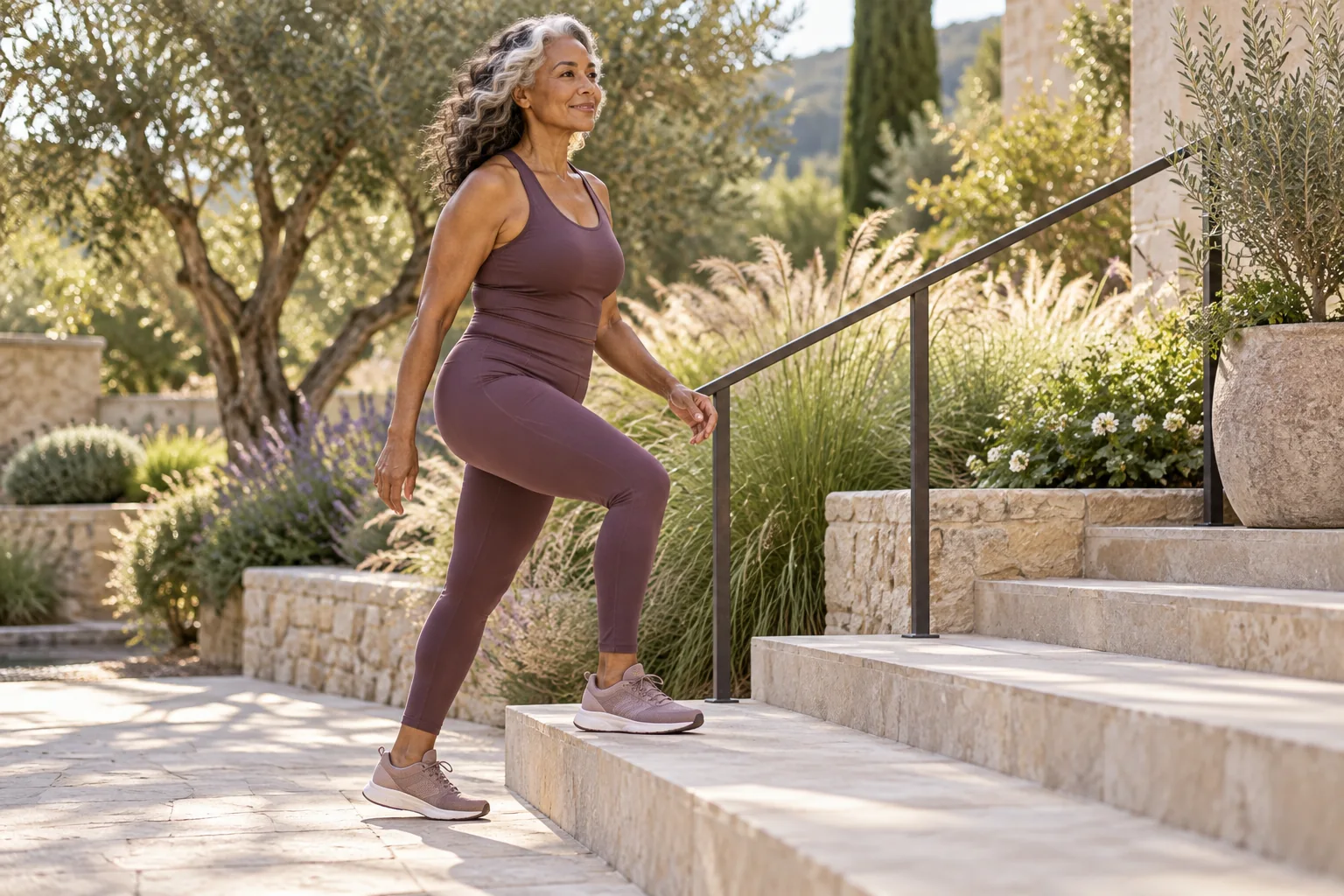
A practical look at movement, nourishment, and the bone-health conversation worth having around menopause.
Read the story ↗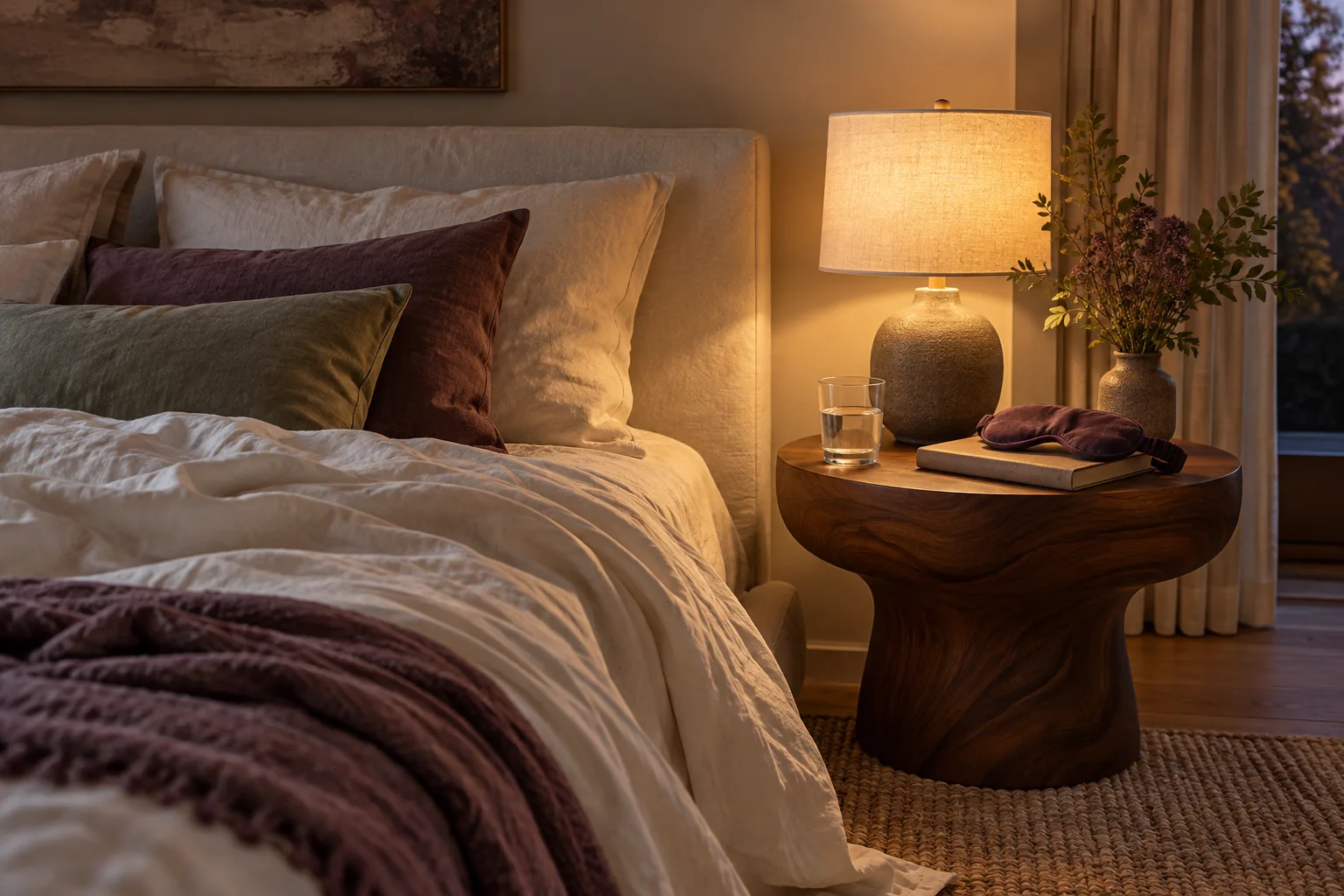
A quieter evening, a comfortable bedroom, and a thoughtful way to understand the nights that still feel difficult.
Read the story ↗