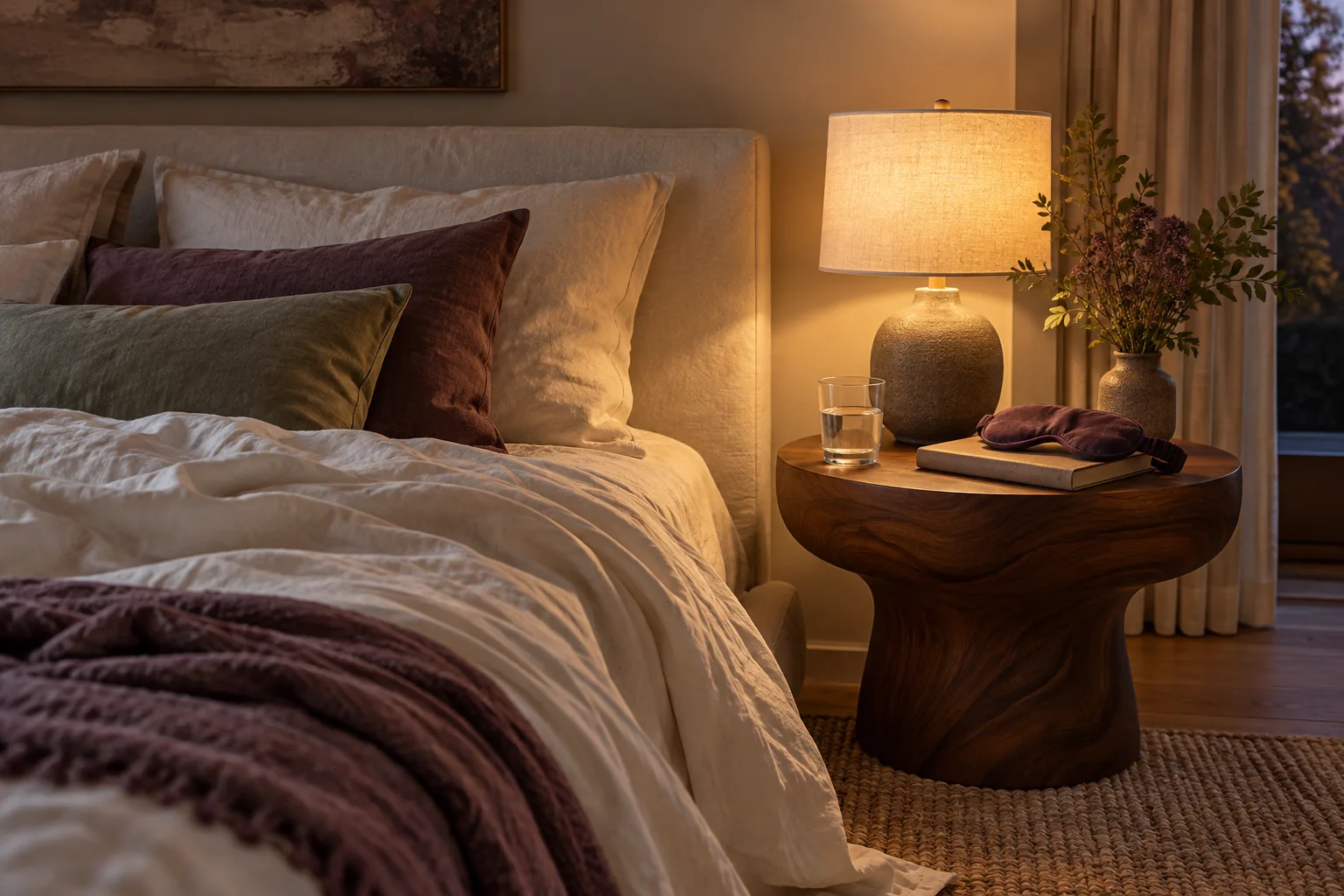
Make room for a better night's sleep.
A quieter evening, a comfortable bedroom, and a thoughtful way to understand the nights that still feel difficult.
Read the story ↗Build a kinder relationship with yourself through enjoyable movement, supportive connections, and small habits that make room for you.

After 40, feeling better about yourself can mean many things: more energy for a day you enjoy, feeling at ease in a photograph, returning to something you loved, or having enough breathing room to hear your own thoughts. You get to define the goal. Looking younger does not have to be on the list.
If work, caregiving, changes in health, or other responsibilities have crowded out your own needs, start with curiosity. What do you miss? What feels nourishing? What has become unnecessarily demanding? These questions can help you make room for yourself without turning well-being into another ambitious project. Mental health is part of overall health, as the National Institute of Mental Health emphasizes, and support can include both everyday care and professional treatment.
The NHS suggests noticing harsh beliefs, considering evidence that challenges them, and responding with the kindness you would offer a friend. You do not have to replace every difficult thought with an enthusiastic affirmation. Its guidance also describes using realistic, neutral alternatives when positive statements feel unconvincing.
For example, try replacing 'I have let myself go' with 'I have had a demanding season, and I can choose one way to support myself today.' This is an optional reflection exercise, not a test you must pass. You can acknowledge disappointment, grief, or frustration without making those feelings a verdict on your worth.
A body-neutral starting point can be simple: choose clothing that feels comfortable now, allow yourself to be in family photographs, or notice an experience your body makes possible. You do not have to admire every part of your appearance to treat yourself with respect.
NHS mental-wellbeing guidance encourages activities you enjoy rather than assuming fitness requires hours at a gym. Consider a walk somewhere pleasant, a dance class, a swim, or strength work adapted to your ability. Choose an experience you would like to return to, and ask for qualified guidance when health concerns or limitations need accommodation.
Give progress a wider vocabulary. Perhaps you felt more comfortable joining a class, learned a movement, or kept a small appointment with yourself. Those are things you can notice without a scale. NIMH also includes regular meals, sleep, enjoyable activities, and manageable priorities among everyday supports for mental health. None needs to become a perfect streak.
NIH's social-wellness guidance suggests shared interests, volunteering, learning, and keeping in touch as ways to build connection. Start with a specific invitation: a short walk, coffee after a class, or a call while you both have a little time. A recurring activity can give you another opportunity to meet people without having to invent a new plan each week.
Connection also includes receiving help. If you care for someone else, identify one practical task another person could take on. Supportive relationships should leave room for your needs, boundaries, and honest feelings. You can look for people who welcome the person you are today.
Pick one item below for the coming week. If it does not help, that is information, not a personal failure. Persistent low mood, anxiety, loss of enjoyment, or trouble functioning deserve professional attention. NIMH advises seeking care for severe or distressing symptoms lasting two weeks or more; worsening symptoms or difficulty coping are reasons to reach out sooner. You do not need to wait for a crisis or try every self-care idea first.
Notice what feels difficult and what you need more of.
Choose enjoyable movement, connection, rest, or a meaningful activity.
Notice what helped, adjust the plan, and seek care when you need support.
Feeling better about yourself can begin with one act of care. Your worth is already here; support helps you make more room for living.
This is general education, not a diagnosis or a personal treatment plan. Discuss medical treatments, supplements and changes relevant to your health with a qualified clinician. Research and regulatory guidance can change. How we work.
A quieter evening, a comfortable bedroom, and a thoughtful way to understand the nights that still feel difficult.
Read the story ↗
Turn a familiar activity into a flexible fitness habit—with a pleasant route, a useful pace, and room to begin where you are.
Read the story ↗
Get stronger, build everyday fitness, care for your mind, and feel more at home in your body—with a realistic place to start this week.
Read the story ↗