
What is actually worth measuring?
A clearer way to think about biological-age tests, wearable scores, and the health checks that lead to useful decisions.
Read the story ↗From heart-rhythm alerts and sleep-apnea notifications to glucose sensors, learn what today's devices can tell you—and which readings still need a clinician.
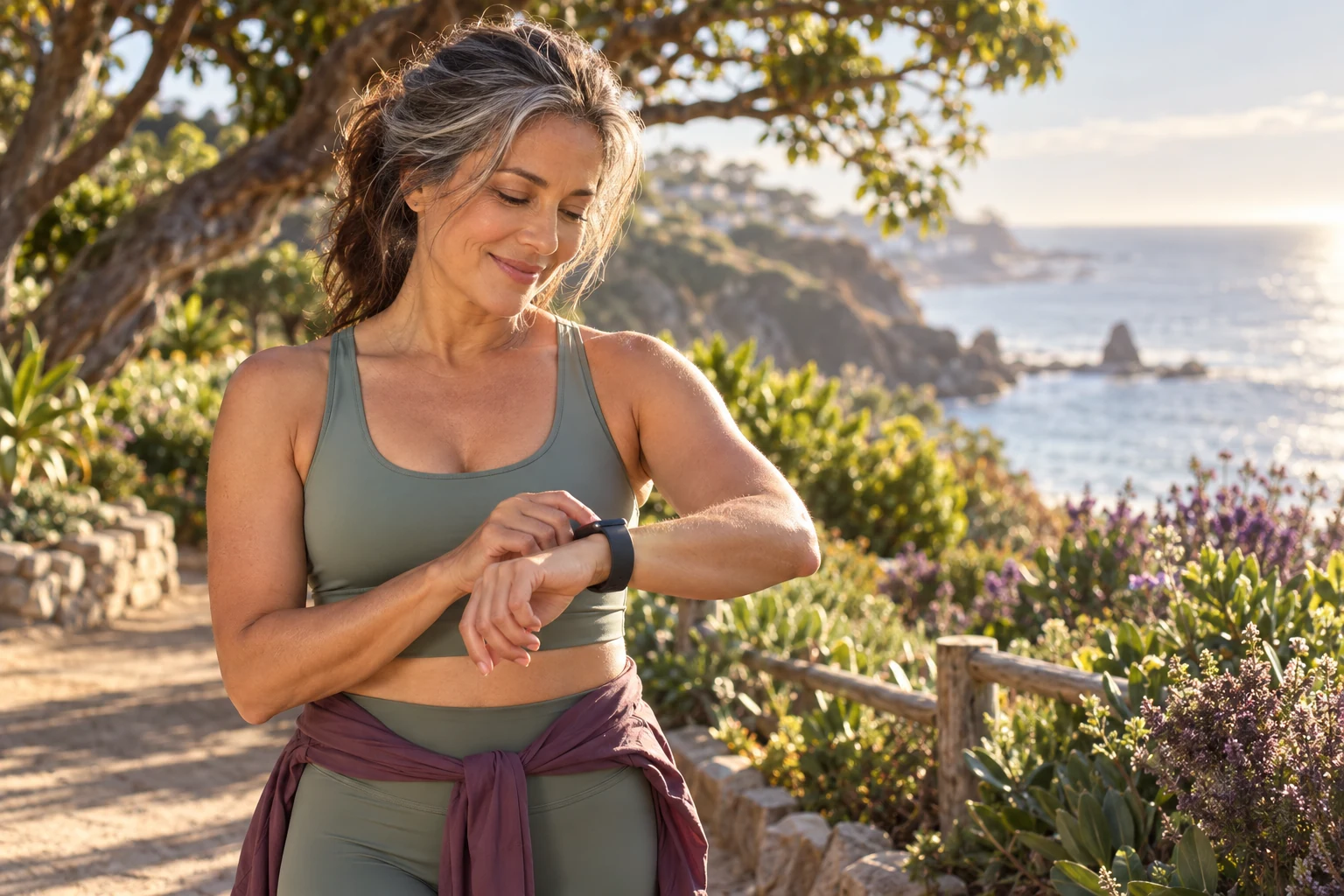
The best health sensor helps answer a question that changes what you do. Are you walking more consistently? Does a recurring palpitation deserve a medical conversation? Is a diabetes treatment helping? A growing collection of scores can become distracting if none connects to a useful decision.
Separate three jobs: everyday habit feedback, alerts that suggest further assessment, and measurements used to manage a diagnosed condition. They require different levels of accuracy and follow-up. A watch can be useful in more than one category, but a medical authorization for one feature does not validate every score in the app.
Some smartwatches can record a single-lead ECG or flag an irregular rhythm that may suggest atrial fibrillation. An Apple Watch ECG, for example, can provide a recording to discuss with a clinician, but it cannot detect a heart attack. A reassuring result should never override chest pain, severe breathlessness or other urgent symptoms.
Sleep-apnea notifications are another important development. FDA's October 30, 2026 classification rule formalizes a device category initially authorized in 2024. These features assess risk in people without a previous diagnosis; they are not standalone diagnostic tests, substitutes for a sleep study, or apnea monitors. A notification is a reason to seek assessment. Persistent loud snoring, witnessed breathing pauses or daytime sleepiness also deserve attention even without an alert.
Apple's Hypertension Notification Feature received FDA clearance in September 2025 to identify patterns suggestive of hypertension. Its intended users are adults 22 and older without a previous hypertension diagnosis; it is not intended during pregnancy. It does not replace diagnosis, monitor treatment effectiveness or provide ongoing blood-pressure surveillance. No notification does not mean no hypertension.
That distinction matters when comparing it with watches that claim to show systolic and diastolic numbers. FDA warned in September 2025 against unauthorized blood-pressure devices, including wearable software. The 2025 AHA/ACC guideline does not recommend cuffless devices for diagnosing or managing high blood pressure. For home monitoring that guides care, ask about an appropriate validated upper-arm cuff and correct measurement technique.
Continuous glucose monitors use a sensor beneath the skin to track glucose in interstitial fluid. OTC access has expanded: in June 2026, FDA broadened Stelo's clearance to people age two and older who do not use insulin. Product restrictions still matter; Stelo is not intended for problematic hypoglycemia or dialysis, and people with a history of disordered eating should discuss use with a clinician.
A particularly relevant new trial appeared in the New England Journal of Medicine on October 14, 2026. It randomized 283 adults with type 2 diabetes who were not using insulin to CGM or routine care for 26 weeks. The adjusted difference in A1C favored CGM by 0.9 percentage points. Dexcom funded the study. This strengthens evidence for a specific diabetes population; it does not show that healthy adults need glucose sensors to extend life.
A 2026 evidence review found limited and indirect support for wider use in people with prediabetes, obesity or no glucose-lowering therapy. A sensor can reveal patterns, but it is not a reason to fear every rise after eating or remove nutritious foods based on one reading. Agree on the question, interpretation and follow-up before paying for repeated sensors.
Do not confuse a watch displaying data from an authorized CGM with a watch claiming to measure glucose by itself. FDA says no smartwatch or smart ring is authorized to independently measure or estimate glucose without piercing the skin.
Before buying, check the exact model, software version, country availability and intended users. Consider recurring subscriptions, replacement sensors, comfort and whether you can export a clear report for a clinician. Read how the app stores and shares health information. You should be able to explain the purpose of the purchase in one sentence.
Swipe or scroll to compare all columns.
| Tool | Useful role | Important limit |
|---|---|---|
| Activity tracker | Notice movement habits and build consistency | A daily score is not a medical assessment. |
| Wearable ECG or rhythm alert | Capture information for a heart-rhythm conversation | Cannot rule out a heart attack or every rhythm problem. |
| Sleep-apnea notification | Prompt further evaluation | Does not diagnose or replace a sleep study. |
| Validated upper-arm blood-pressure cuff | Support an agreed home-monitoring plan | Fit and technique affect results. |
| CGM | Support appropriate diabetes management or a defined clinical question | Benefits cannot be assumed for healthy users. |
Choose one habit, such as a short walk after lunch, and one useful observation. Review the trend weekly rather than checking repeatedly throughout the day. If tracking increases anxiety or makes eating and movement feel punitive, simplify it. Good technology should help you participate in life, not keep you grading yourself.
Keep medical decisions with your care team. Never change prescribed treatment solely because of a consumer score or one unexpected reading. The real outcome is a better decision or a sustainable habit—not a perfect dashboard.
Choose the habit or health concern you want the device to help you understand.
Check its exact intended use, limitations, eligibility and ongoing costs.
Bring relevant reports to your clinician and keep tracking manageable.
Buy a sensor for a useful question and a clear next action. More data is valuable only when it improves the way you care for yourself.
This is general education, not a diagnosis or a personal treatment plan. Discuss medical treatments, supplements and changes relevant to your health with a qualified clinician. Research and regulatory guidance can change. How we work.
A clearer way to think about biological-age tests, wearable scores, and the health checks that lead to useful decisions.
Read the story ↗
A November 2026 guide to approved peptide medicines, the new HHS compounding policy, and the evidence behind popular recovery and longevity claims.
Read the story ↗
Lasers, collagen stimulators, newer wrinkle treatments and exosomes: an informed guide to what they can do, what is emerging, and what to ask before booking.
Read the story ↗